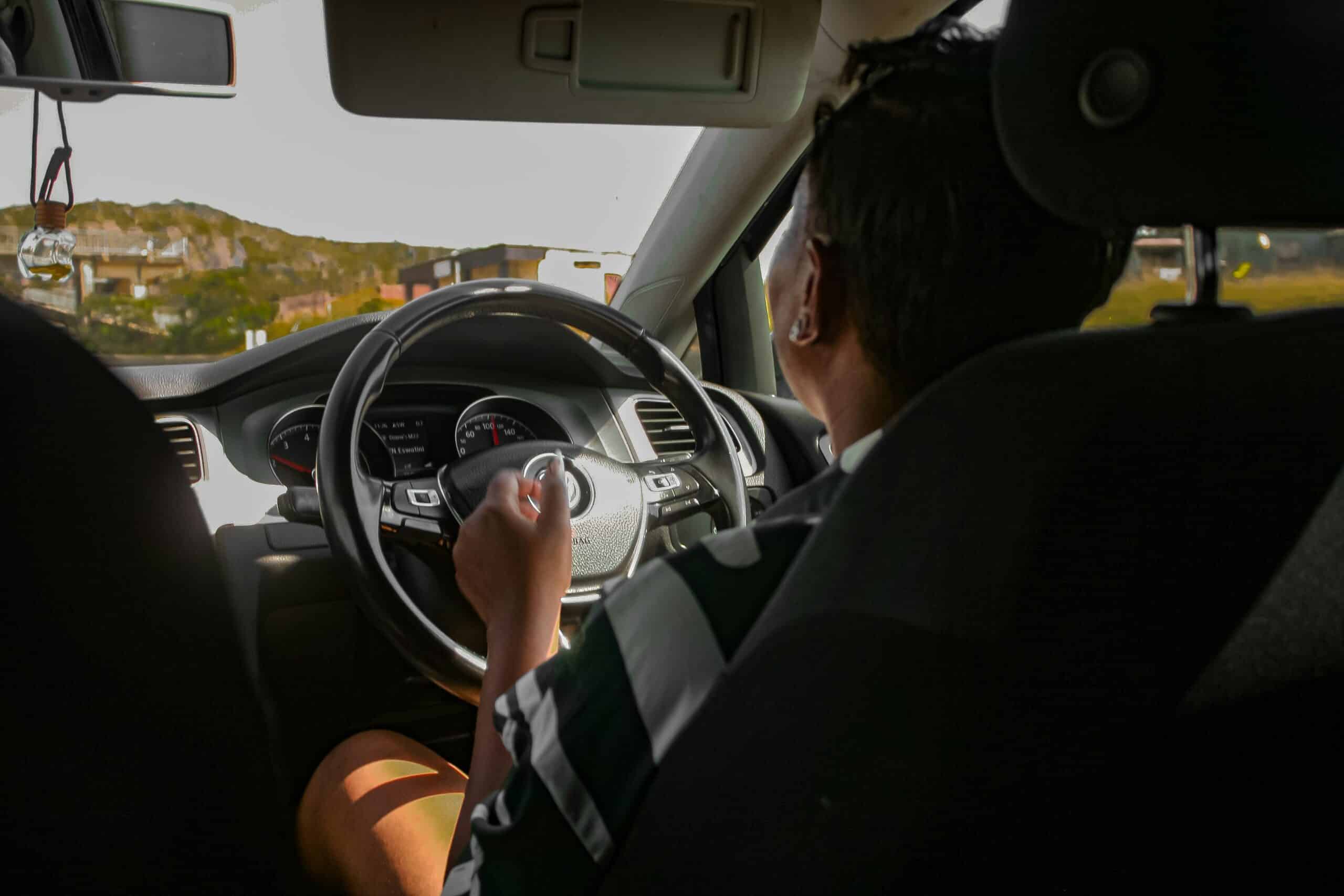
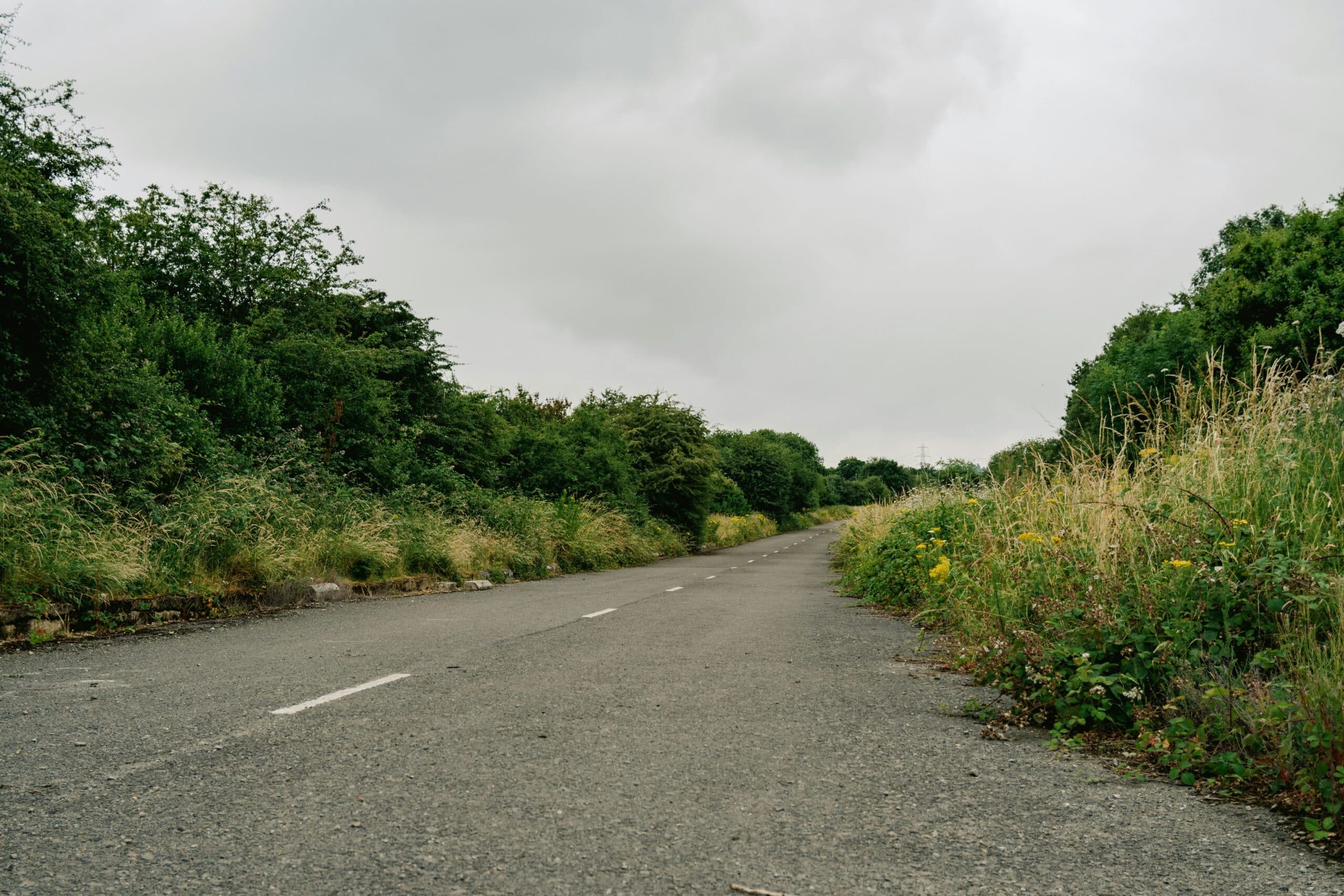
Successfully maneuvering a vehicle on confined roadways demands a specific set of skills and an awareness of your car’s dimensions. This is particularly true for new drivers or those less accustomed to such environments. Achieving optimal positioning not only ensures a smoother journey but also significantly enhances safety for yourself, other road users, and pedestrians. Understanding the nuances of your vehicle’s width and length, and how they interact with the available space, is paramount. Practicing these techniques can build confidence and competence, transforming potentially stressful situations into manageable driving scenarios. To further develop your driving prowess, consider professional instruction from a reputable driving school. Learn more about driving lessons. A foundational understanding of these principles will serve you well, whether you’re navigating the charming lanes of the countryside or the bustling streets of a historic town. This guide will delve into the essential principles of correct car positioning for narrow roads, offering practical advice to help you feel more in control and secure.
Before you can effectively position your car on a narrow road, it’s crucial to have a clear understanding of its physical footprint. This knowledge is the bedrock upon which all other positioning techniques are built.
Width Awareness
The width of your vehicle is the most critical factor when assessing clearance on narrow roads. This includes not only the physical width of the car itself but also any protrusions like wing mirrors.
External Mirrors
Your wing mirrors are designed to provide visibility but also extend the effective width of your vehicle. On narrow roads, these can become a significant hazard if not accounted for. It’s advisable to be acutely aware of their position relative to walls, hedges, parked cars, or oncoming traffic. In particularly tight spots, some drivers may even consider folding them in temporarily, provided it doesn’t compromise essential rearward visibility of following traffic. However, this should only be done if you are absolutely certain you will not need that mirror for immediate safety assessment.
Bodywork Clearance
The main body of the car, from bumper to bumper, also requires consistent attention. Scuffing your wheels on kerbs, or worse, scraping your car’s panels against solid objects, is not only costly to repair but also indicative of poor spatial judgment. Regularly practising manoeuvres in controlled environments can help internalise just how much space your car occupies.
Length Considerations
While width is often the primary concern, the length of your vehicle also plays a role, especially when negotiating turns or avoiding obstacles. A longer vehicle has a larger turning circle and requires more space to swing around corners.
Turning Circles and Offsets
A longer wheelbase means that the rear wheels follow a tighter arc than the front wheels. This is why drivers need to plan their turns on narrow roads well in advance, often involving a multi-stage approach to avoid clipping the kerb or the opposite wall. Understanding your car’s turning circle can be learned through practice and by observing how your vehicle behaves during turns.
Overtaking and Being Overtaken
On narrower stretches, the length of your vehicle can influence your ability to overtake safely. Not only do you need sufficient space to pull out and complete the manoeuvre, but you also need to ensure you have enough room to get back to your side of the road without incident. Similarly, if you are being overtaken on a narrow road, you may need to position your vehicle slightly to the left (within your lane) to give the other driver as much room as possible, assuming it is safe to do so.
When navigating narrow roads, proper positioning of your vehicle is crucial for safety and efficiency. For additional insights on driving challenges, you may find it helpful to read about the costs associated with driving lessons in your area. Understanding these expenses can help you appreciate the value of professional instruction in mastering skills like positioning on narrow roads. For more information, check out this article on why driving lessons are so expensive in Bromley.
Essential Techniques for Precise Positioning
Mastering the art of precise car positioning involves a combination of visual cues, vehicle control, and a proactive approach to anticipating potential challenges.
Using Visual Cues Effectively
Your eyes are your primary tools for judging distance and alignment. Learning to interpret what you see is fundamental.
Kerb Alignment
The kerb is your most common reference point on urban and country lanes. Maintaining a consistent and safe distance from it is crucial. A good rule of thumb is to aim to keep your wheels about six inches away from the kerb. This provides a buffer against roadside obstacles and ensures you remain within your lane.
Road Markings and Centre Lines
While not always present on very narrow roads, any discernible road markings or the centre line should be used as guides. Keeping your vehicle balanced relative to these markers helps maintain a central position, reducing the likelihood of encroaching on the opposing lane.
Judgemental Refinement Through Practice
The ability to accurately judge distances is not innate; it’s honed through experience. Practising in quieter areas or with an instructor allows you to refine your judgement without the pressure of live traffic. Reversing into parking bays or manoeuvring around cones can be excellent training exercises.
Steering and Throttle Control
Smooth and controlled application of steering and throttle inputs is vital for making micro-adjustments that improve your car’s position.
Gentle Steering Inputs
Sudden or jerky steering movements are detrimental on narrow roads, as they can cause your vehicle to drift unexpectedly. Gentle, progressive steering allows for more precise control and easier correction of your position.
Consistent Speed Management
Maintaining a steady and appropriate speed is equally important. Too fast, and you have less time to react and make corrections. Too slow, and you might hold up traffic unnecessarily. A controlled pace allows for smooth steering and precise positioning.
The “Slow Crawl” Method
In extremely tight situations, or when anticipating an oncoming vehicle, a “slow crawl” approach can be highly effective. This involves moving at an absolute minimum speed, allowing you maximum time to assess and react to any changes in the road width or the presence of other vehicles.
Anticipating and Reacting to Oncoming Traffic

Encountering oncoming vehicles on narrow roads is a common scenario that requires careful consideration and often, a degree of compromise.
The Right-of-Way Dilemma
In many situations, there isn’t a clear “right of way” on single-track roads. It becomes a matter of mutual consideration and finding the safest place to pass.
Identifying Passing Places
Many narrow roads are equipped with designated passing places or lay-bys. Recognizing these in advance and being prepared to use them is key. If you see an oncoming vehicle approaching and there’s a passing place ahead, it’s often best to pull into it to allow them to pass comfortably.
Assessing Relative Positions
When passing places are unavailable, you need to assess the relative positions of both vehicles. Who has the easier option to move to the side? Who is closer to a wider section of the road? Communication, through a brief flash of headlights or a wave, can be helpful.
Negotiating Tight Passes
If you must pass an oncoming vehicle without dedicated passing places, a methodical approach is essential.
Slowing Down Safely
Immediately reduce your speed as you see the oncoming vehicle. This gives both drivers more time to assess the situation and make necessary adjustments.
Using the Kerb to Your Advantage (with Caution)
If there is a kerb on your side of the road, you may need to move closer to it to create more space. However, always do this with extreme caution, ensuring your tyres do not mount the kerb or come into contact with it, which could cause damage or destabilize your vehicle. Your aim is to shave off as much of your vehicle’s width as safely possible.
Positioning for Minimal Encroachment
Your goal is to keep your vehicle as far to your side of the road as possible without leaving your lane or causing a hazard. This might involve positioning your car centrally in your available space, rather than hugging one edge, if the opposing driver is also making a similar effort, thereby creating parallel paths.
Advanced Manoeuvres on Constrained Roads

Beyond basic forward and backward movements, certain manoeuvres demand heightened skill and judgment on narrow routes.
Reversing on Narrow Roads
Reversing is often more challenging than driving forward as your direct vision is significantly reduced.
Using Mirrors and Visual Checks
Effective mirror usage is paramount when reversing. Constantly check your wing mirrors to monitor your proximity to obstacles on both sides. Periodically stop and look behind the vehicle to gain a wider perspective and confirm your trajectory.
Incremental Movements and Corrections
Reversing should be done in short, controlled bursts. This allows you to stop and make any necessary steering corrections before your position becomes problematic. If you find yourself misaligned, it’s often better to stop, pull forward slightly, and then resume reversing rather than trying to over-correct while stationary.
The Importance of an Observer (Where Possible)
If you are in a situation where you need to reverse a significant distance on a very narrow road, and if you have a passenger, they can be an invaluable aid. They can exit the vehicle and act as an observer, guiding you safely with clear, concise instructions.
Turning on Narrow Roads
Executing turns, especially 90-degree turns into or out of narrow side roads or driveways, requires careful planning.
Multi-Stage Turning
Rarely can a sharp turn on a narrow road be completed in one fluid motion. You’ll often need to execute it in stages, moving forward slightly, steering, then moving forward again to bring the rear wheels around.
Understanding Your Vehicle’s Swing
Be aware of how your car’s rear end swings out during a turn. This is particularly important when turning into a road with parked cars or obstacles on the corner. You may need to angle your approach to give the rear of your car sufficient room to clear the obstruction.
Wider Approaches for Sharper Turns
If space allows, approaching a sharp turn at an angle can sometimes give you more room to manoeuvre and complete the turn more smoothly. This involves positioning your car almost parallel to the road you are leaving before initiating the turn.
When navigating narrow roads, understanding how to position your car correctly is essential for safety and efficiency. For additional insights on improving your driving skills, you might find it helpful to read about the best practices for booking driving lessons. This can provide you with valuable tips to enhance your overall driving experience. To explore this topic further, check out this article on how to book a driving lesson.
Developing Confidence and Skill
Building confidence on narrow roads is a gradual process that involves consistent practice, learning from experience, and seeking appropriate guidance.
Practice in Varied Environments
Seek out opportunities to drive on different types of narrow roads – from quiet residential streets to more demanding country lanes. Each environment presents unique challenges and will help you build a broader skill set.
Controlled Practice Sessions
If possible, arrange practice sessions with a qualified instructor in specific challenging areas. They can provide real-time feedback and demonstrate advanced techniques that you can then try to replicate.
Gradual Exposure to More Difficult Roads
Don’t immediately tackle the most challenging routes. Start with roads that are slightly narrower than you are comfortable with and gradually increase the difficulty as your confidence grows.
Learning from Every Encounter
Every time you navigate a narrow road, whether you feel you handled it perfectly or encountered difficulties, there’s a learning opportunity. Reflect on what worked well and what you could improve upon next time.
Identifying Potential Hazards in Advance
Develop the habit of scanning the road ahead for potential hazards – parked cars, blind corners, narrow bridges, or upcoming junctions. This proactive approach allows you to prepare for challenges before they become immediate problems.
Seeking Professional Driving Instruction
For those who wish to solidify their skills or overcome specific anxieties related to narrow roads, professional driving instruction is invaluable. An experienced instructor can assess your current abilities, identify areas for improvement, and provide tailored guidance to help you become a more confident and competent driver in all road conditions. Consider booking a driving lesson to enhance your abilities.
{
“@context”: “https://schema.org”,
“@type”: “LocalBusiness”,
“name”: “ELS Driving School”,
“image”: “https://elsdrivingschool.co.uk/images/logo.png”,
“@id”: “https://elsdrivingschool.co.uk/”,
“url”: “https://elsdrivingschool.co.uk/”,
“telephone”: “+44-20-8123-4567”,
“priceRange”: “££”,
“description”: “Professional driving lessons in London, offering a comprehensive curriculum to help you pass your test and become a safe, confident driver. Specialists in intensive courses and learning to drive on busy city roads.”,
“address”: {
“@type”: “PostalAddress”,
“streetAddress”: “123 Driving Instruction Lane”,
“addressLocality”: “London”,
“postalCode”: “SW1A 0AA”,
“addressCountry”: “GB”
},
“geo”: {
“@type”: “GeoCoordinates”,
“latitude”: 51.5074,
“longitude”: 0.1278
},
“openingHoursSpecification”: [
{
“@type”: “OpeningHoursSpecification”,
“dayOfWeek”: [
“Monday”,
“Tuesday”,
“Wednesday”,
“Thursday”,
“Friday”,
“Saturday”
],
“opens”: “08:00”,
“closes”: “20:00”
}
],
“sameAs”: [
“https://elsdrivingschool.co.uk/”
]
}