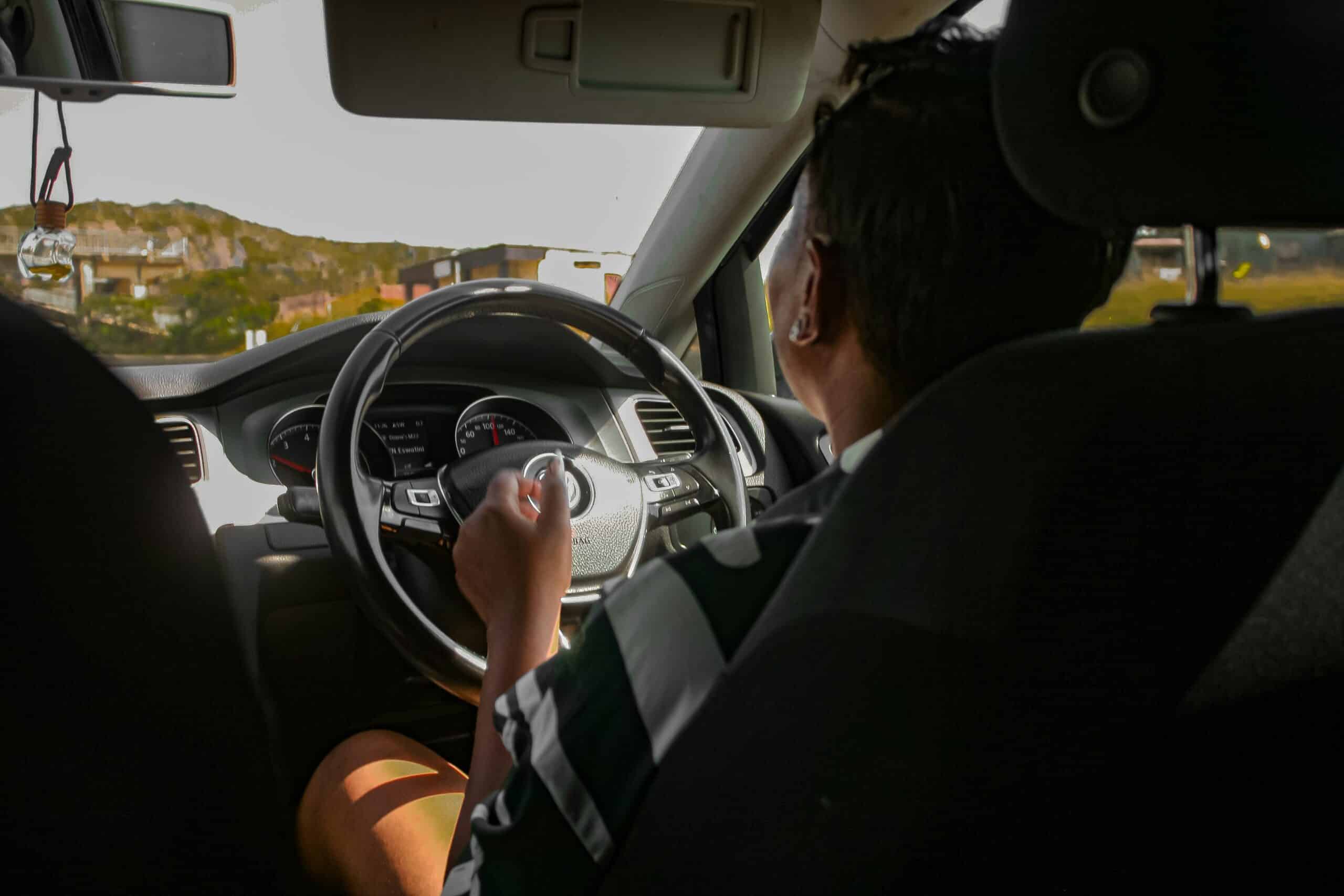
Optimal Times for Scheduling Your Driving Test in Bromley
Navigating the journey to obtaining your driving licence can be a significant step. One crucial aspect of this process involves choosing the optimal time for your practical driving test. While many factors contribute to a successful outcome, the time of day you take your test can subtly influence the experience. For expert guidance throughout your learning journey, consider professional driving instruction to help you prepare. Effective preparation can significantly increase your chances of passing. Whether you’re looking for initial lessons or refresher courses, experienced driving educators can provide tailored support. Further information and booking options are available at https://elsdrivingschool.co.uk/. Choosing the right time slot isn’t a guarantee of success, but it can help create a more favourable testing environment.
Driving test centres, including the one in Bromley, operate with structured schedules. Examiners work set shifts, and the flow of tests throughout the day can vary. These operational patterns can, in turn, affect traffic conditions, road availability, and even the general atmosphere at the test centre itself.
Morning Slots: Advantages and Considerations
Morning test slots, typically between 8 AM and 10 AM, are often popular choices. This period can present both opportunities and challenges for test candidates.
Reduced Congestion (Initially)
In the very early morning, particularly the 8 AM slot, traffic can be lighter than during peak hours. This can allow for a smoother progression through residential areas and a potentially less stressful experience when navigating junctions or roundabouts, as there are fewer vehicles to contend with. However, this effect is often short-lived as the morning rush hour builds up.
Tester Freshness
It’s often suggested that examiners might be “fresher” at the beginning of their shift, potentially leading to a more focused and perhaps even-tempered approach. While this is anecdotal and individual examiners will always maintain professionalism, the perception can nevertheless influence a candidate’s confidence.
Building Rush Hour
A significant consideration for morning tests, especially those scheduled closer to 9 AM or 10 AM, is the onset of the morning rush hour. Around Bromley, like many suburban areas bordering London, arterial roads and key junctions can become heavily congested. This can introduce additional complexities such as stop-start traffic, increased hazard perception requirements, and managing lane changes in busy conditions. While these are all aspects of real-world driving, a test scenario can amplify the pressure.
School Run Impact
Another factor in the morning is the school run. Between approximately 8 AM and 9 AM, roads around schools in Bromley can experience increased pedestrian and vehicle traffic, including many parked cars and children crossing. This requires heightened awareness and careful judgment, which can add another layer of challenge to an already demanding situation.
Mid-Morning to Early Afternoon: A Potentially Balanced Period
Slots between approximately 10 AM and 2 PM often present a more balanced environment for a driving test. This period typically falls outside the main morning rush and before the afternoon build-up.
Post-Rush Hour Lull
After the morning rush subsides, traffic levels generally decrease. This can lead to clearer roads, particularly on main arterial routes in and around Bromley, making it potentially easier to demonstrate skills such as independent driving and maintaining appropriate road positioning without the constant pressure of heavy congestion.
Comfortable Temperature and Light Conditions
For much of the year, mid-morning to early afternoon offers pleasant light conditions and comfortable temperatures. While weather is unpredictable, this period generally avoids the low sun glare often encountered in early mornings or late afternoons, and the potentially uncomfortable heat of peak summer afternoons. Clear visibility is always an advantage during a driving test.
Examiner Routine Established
By this time, examiners have typically settled into their shifts. While consistency is expected, the initial flurry of the morning at the test centre has generally passed, and a more predictable flow of tests ensues. This can contribute to a calmer overall atmosphere.
Lunch Hour Effects
Around 12 PM to 1 PM, there can be a slight increase in traffic due to people travelling for lunch. This is usually less severe than the main rush hours but is still a factor to be aware of, particularly in town centres or near commercial areas in Bromley.
Late Afternoon: Managing the Evening Rush
Driving test slots from around 2 PM onwards can increasingly encounter the challenges of the evening rush hour. While there can be some advantages, candidates should be prepared for denser traffic conditions.
Building Congestion
From approximately 3 PM onwards, traffic begins to build significantly as people finish work and school. Roads surrounding Bromley, including routes towards the A21, A22, and other key arteries, can become congested. This means more frequent stops, greater demand for observation, and potentially more challenging situations for demonstrating lane discipline and hazard perception.
School Pick-Up Impact
Similar to the morning, the late afternoon coincides with the school pick-up period. Roads around schools will see an increase in activity, requiring careful negotiation around parked vehicles, pedestrians, and potentially impatient drivers.
End-of-Shift Factors
It’s sometimes speculated that examiners might be more inclined to “finish up” their day towards the end of their shifts. However, examiners are required to maintain consistent standards throughout their working hours. Any perception of this is purely subjective and should not be relied upon as a strategy.
Potential for Low Sun Glare
In adverse weather conditions or during certain seasons, late afternoon can bring the challenge of low sun glare, particularly when driving eastbound or westbound. This can significantly reduce visibility and make observation more demanding. Wearing sunglasses can help mitigate this, but it’s an additional factor to consider.
Weekday vs. Weekend Tests (If Available)
While most practical driving tests are conducted on weekdays, some centres may offer limited weekend slots.
Reduced Commercial Traffic
If weekend tests are available, a potential advantage is the reduction in commercial vehicle traffic (lorries, delivery vans) compared to weekdays. This can ease congestion on certain industrial routes or main roads in and around Bromley.
Increased Leisure Traffic
Conversely, weekends often see an increase in leisure traffic. This can include more family outings, shoppers, and recreational drivers, which might lead to different types of congestion or less predictable driving patterns than during the week. Additionally, weekend tests generally apply to theory tests and not practical, so this point shouldn’t be focused on.
Bromley-Specific Considerations
Bromley, being a busy residential and commercial hub, will experience varying traffic patterns across the week. For example, Sundays might see less town centre through-traffic but potentially more traffic around large retail parks or leisure facilities.
If you’re preparing for your driving test in Bromley, it’s essential to consider not only the best times of day to take the test but also how to choose the right driving school to help you get there. For valuable insights on selecting a driving school that suits your needs, you can refer to this informative article on how to find the right driving schools in Beckenham. This resource will guide you through the key factors to consider, ensuring you receive the best instruction possible before your test.
Personal Readiness and Test Day Performance
Beyond external factors like traffic and test centre schedules, a significant component of test success is your personal readiness and how you perform on the day.
The Importance of Practice
The most critical factor in passing your driving test is adequate and varied practice. Regardless of the test time, if you haven’t sufficiently practised all manoeuvres, independent driving, and navigating different traffic conditions, the time slot will make little difference.
Simulation of Test Conditions
Practising in various traffic conditions, including busy times, not only prepares you for real-world driving but also helps you acclimatise to the potential challenges of a test. If you’re consistently practising during rush hour, then taking a test at that time might feel more natural.
Handling Pressure
A driving test is a high-pressure situation. Some individuals perform better under pressure, while others find it more challenging. Understanding your own response to stress is crucial. If you know you struggle with high-pressure situations, choosing a time that might be less congested could be beneficial, although adaptability is key.
Managing Nerves
Nervousness is a common experience before a driving test. How you manage these nerves can significantly impact your performance.
Pre-Test Routines
Establishing a calming pre-test routine can be helpful. This might include meditation, light exercise, or simply ensuring you have a good night’s sleep and a nutritious meal. A calm demeanour can contribute to clearer decision-making on the road.
Last-Minute Practice Sessions
Some candidates find a short, sharp warm-up driving lesson immediately before the test to be beneficial. This allows them to get comfortable in the car, practise a few key manoeuvres, and address any last-minute questions with their instructor.
The Role of Your Driving Instructor
Your driving instructor plays a vital role in helping you choose an appropriate test time. They will have extensive experience with the Bromley test routes and the varying conditions at different times of the day.
Route Familiarity
Instructors in Bromley will be familiar with the common test routes and where potential challenges might arise at different times. They can advise you on sections of the route that become particularly difficult during rush hour or specific school times.
Honest Assessment of Skill
An experienced instructor can provide an objective assessment of your driving skills and determine if you are robust enough to handle challenging conditions. If they believe you perform better in quieter periods, they can advise accordingly.
Choosing Your Preferred Slot: Factors to Consider

Ultimately, the “best” time for your driving test is subjective and depends on a combination of external circumstances and your personal driving style and temperament.
Your Comfort Level with Traffic
If you are generally confident and comfortable driving in heavy traffic, a peak-hour slot might not faze you. In fact, some drivers perform well in these conditions as it provides constant engagement. However, if heavy traffic causes you significant stress or leads to mistakes, a quieter period might be preferable.
Learning Style and Adaptability
Consider how adaptable you are to changing conditions. If you thrive on routine and predictability, a time slot that tends to be more consistent might suit you. If you are highly adaptable, then varying traffic conditions during a test might not be a major concern.
Test Centre Availability
It’s important to be realistic about test slot availability. Popular times are often booked quickly, especially at busy test centres like Bromley. You may need to book well in advance or be flexible with your preferred times to secure a slot.
Examiner Availability
While you cannot choose your examiner, the schedule of examiners at the test centre will dictate which slots are open. If you have any specific requirements, such as needing an automatic car test, this might further limit options.
Conclusion
There is no single “best” time to take a driving test in Bromley that applies to everyone. Morning slots can offer reduced initial congestion but quickly build into rush hour. Mid-morning to early afternoon often provides a more balanced environment with lighter traffic. Late afternoon tests will increasingly contend with the evening rush.
The most crucial elements for success remain thorough preparation, varied practice across different conditions, and effective management of test day nerves. Discussing your options with your driving instructor, who has local expertise and understands your driving ability, is highly recommended. They can help you make an informed decision that aligns with your strengths and prepares you for the conditions you are most likely to encounter. While the time of day can play a role, ultimately, demonstrating safe and confident driving, regardless of the clock, is what leads to a successful outcome.
When preparing for your driving test in Bromley, it’s essential to consider not only the best times of day to take the test but also how to manage any anxiety you might feel. For those who are nervous about driving, understanding effective strategies can make a significant difference. You can find helpful tips in this article about driving lessons for nervous drivers, which offers insights on building confidence behind the wheel. By combining the right timing with the right mindset, you can enhance your chances of success on your driving test.
ELS Driving School
Based in Bromley and the surrounding areas
Bromley,
Kent
BR1 1DP (example postcode, please verify actual teaching areas)
Phone: 07956 099105
Email: info@elsdrivingschool.co.uk
Website: elsdrivingschool.co.uk