A Comprehensive Overview Of Driving Lessons In Beckenham
Driving in Beckenham, a district within the London Borough of Bromley, presents a unique set of challenges and opportunities for new drivers. The area encompasses a mix of residential streets, main thoroughfares, and proximity to busier urban centres. This article aims to provide a comprehensive overview of driving lessons in Beckenham, detailing the process, considerations, and available resources.
Beckenham’s geographical characteristics significantly influence the driving instruction offered within its boundaries. Its diverse road network necessitates a varied approach to training, preparing students for a wide array of real-world driving scenarios.
Residential Streets and Early Manoeuvres
Initial driving lessons often commence in Beckenham’s quieter residential areas. These streets, such as those found around Langley Park, Lawrie Park, or Eden Park, offer a relatively low-traffic environment conducive to learning fundamental vehicle controls.
- Steering and Clutch Control: Mastering the delicate balance of clutch, accelerator, and brake is paramount. These areas provide the space to practice slow-speed manoeuvres without undue pressure from other road users.
- Observation Skills: Even on quiet streets, effective observation is crucial. Pupils learn to anticipate parked cars, pedestrians emerging from gates, and children playing, developing a proactive rather than reactive driving style.
- Basic Turning and Junctions: Simple left and right turns at T-junctions or crossroads are introduced here. This forms the bedrock for navigating more complex junctions later.
Main Roads and Increased Traffic Flow
As proficiency grows, lessons typically progress to busier roads within Beckenham. Roads like the A2015 (High Street/Rectory Road), Bromley Road (A222), or Croydon Road (A222) introduce learners to higher speed limits, multi-lane driving, and increased traffic density.
- Lane Discipline and Positioning: Understanding appropriate lane usage, particularly when approaching roundabouts or undertaking overtakes, becomes critical. Beckenham’s main roads provide practical settings for this.
- Anticipation and Hazard Perception: The increased speed and traffic volume amplify the need for advanced anticipation. Learners are trained to identify potential hazards far in advance, such as brake lights indicating slowing traffic or pedestrians waiting to cross.
- Negotiating Roundabouts: Beckenham features various roundabout designs, from mini-roundabouts to larger multi-lane examples. Instructors guide students through the complexities of signalling, choosing the correct lane, and exiting safely.
Proximity to Test Centres and Mock Test Routes
A significant advantage of learning to drive in Beckenham is its proximity to several driving test centres. While no test centre is directly within Beckenham itself, candidates aspiring to take their test locally often utilise the centres in Bromley (St Paul’s Cray) or Croydon (Mitcham or Shirley).
- Familiarisation with Test Routes: Approved driving instructors (ADIs) in Beckenham are intimately familiar with the common test routes originating from these centres. Lessons often incorporate sections of these routes, allowing students to gain confidence and experience in areas they will later be assessed on.
- Practicing Test Manoeuvres: Specific manoeuvres required for the practical driving test, such as parallel parking, bay parking, pulling up on the right, and reversing around a corner, are practiced extensively within the test route areas.
If you’re considering taking driving lessons in Beckenham, it’s essential to understand the importance of safe driving practices. A related article that can enhance your knowledge is about safe following distances for driving. This resource provides valuable insights into maintaining a safe distance from other vehicles, which is crucial for new drivers. You can read more about it here: Safe Following Distances for Driving.
Choosing Your Trainer: Selecting a Driving Instructor
The instructor forms the cornerstone of the learning experience. A qualified and compatible instructor can streamline the process, while an unsuitable one can impede progress.
Qualifications and Accreditation
All legitimate driving instructors in the UK must be approved by the Driver and Vehicle Standards Agency (DVSA). This ensures a baseline level of competence and adherence to national standards.
- Approved Driving Instructors (ADIs): These instructors have passed a rigorous three-part examination covering their driving ability, instructional technique, and theoretical knowledge. They display a green badge in their windscreen.
- Potential Driving Instructors (PDIs): These are trainees who are still undergoing their qualification process. They can teach for a limited period and display a pink badge. While PDIs can be effective, many learners prefer the experience of a fully qualified ADI.
Instructor Characteristics and Teaching Style
Beyond qualifications, the instructor’s personal attributes and teaching methodology play a substantial role in a student’s success. Your instructor is a navigator, guiding you through the intricate currents of traffic.
- Patience and Calm Demeanour: Learning to drive can be stressful. An instructor who remains calm under pressure and exhibits patience is crucial for fostering a supportive learning environment.
- Clear Communication: The ability to explain complex concepts simply and provide constructive feedback is essential. Jargon should be avoided or explained thoroughly.
- Adaptability: Different learners respond to different teaching methods. An effective instructor can adapt their approach to suit the individual’s learning style, whether they prefer more hands-on guidance or detailed theoretical explanations.
- Local Knowledge: An instructor with extensive knowledge of Beckenham’s roads and the nuances of its traffic patterns can offer invaluable insights.
Vehicle Type and Features
The vehicle used for lessons also merits consideration. Modern dual-control cars are standard, but other features can enhance the learning experience.
- Manual vs. Automatic: Beckenham instructors offer both manual and automatic transmission lessons. The choice depends on personal preference and future driving needs. Automatic vehicles can expedite the learning process by removing the clutch and gear changes, but restrict the driver to automatic cars only.
- Car Make and Model: While not a primary concern, a comfortable and relatively new vehicle can contribute to a positive learning environment. Some learners may prefer a smaller car for ease of manoeuvring.
- Dual Controls: All legitimate driving school cars are fitted with dual controls, allowing the instructor to intervene when necessary for safety.
The Learning Journey: From Provisional to Pink Licence

The path to obtaining a full driving licence is structured, with distinct stages designed to gradually build competence and confidence.
Obtaining a Provisional Driving Licence
The first step for any aspiring driver is to apply for a provisional driving licence. This can be done online via the DVSA website or by post. You must be at least 17 years old to drive on public roads (or 16 if receiving disability living allowance at the higher rate).
The Theory Test
Before booking a practical driving test, candidates must pass the theory test. This two-part assessment evaluates knowledge of road rules and hazard perception.
- Multiple-Choice Questions: This section comprises 50 questions based on the Highway Code, road signs, and general driving principles. A score of 43 out of 50 is required to pass.
- Hazard Perception Test (HPT): This section involves watching 14 video clips and identifying developing hazards. A minimum score of 44 out of 75 is needed.
- Preparation Resources: Various resources are available to help prepare for the theory test, including official DVSA apps, books, and online practice tests. Many Beckenham driving instructors can offer guidance on suitable revision materials.
Practical Driving Lessons
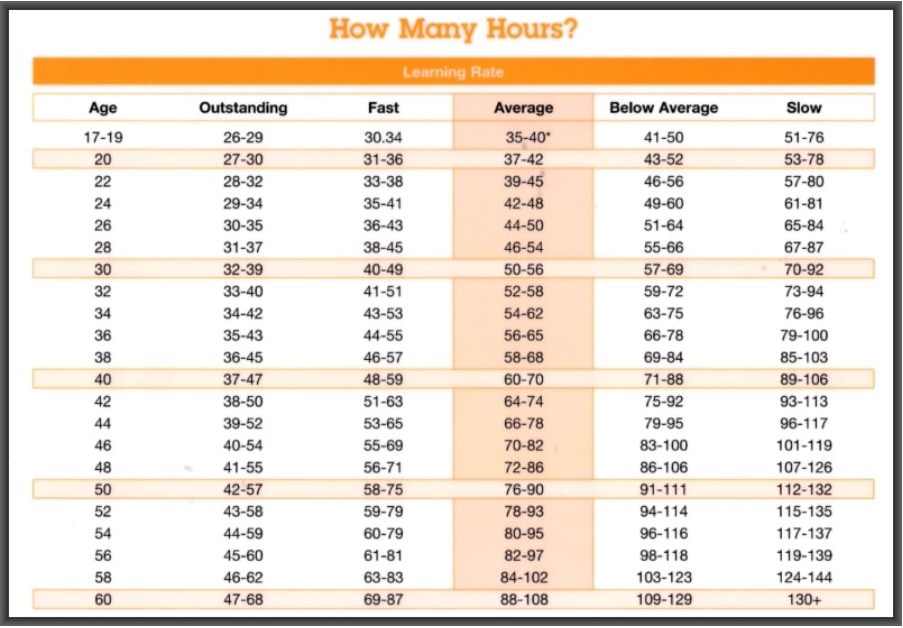
This is where the bulk of the learning takes place, translating theoretical knowledge into practical skills under the supervision of an ADI. The number of lessons required varies significantly between individuals. The average learner requires around 45 hours of professional instruction coupled with additional private practice.
- Structured Curriculum: Reputable driving instructors follow a structured curriculum, progressively introducing new skills and building upon previously learned ones. This typically includes:
- Cockpit Drill and Controls: Familiarisation with the vehicle’s interior, mirrors, seat adjustment, and pedal usage.
- Moving Off and Stopping: Controlled acceleration and braking, smooth clutch control.
- Steering and Cornering: Accurate steering at various speeds and negotiating bends.
- Junctions: Approaching, turning, and exiting T-junctions, crossroads, and roundabouts.
- Manoeuvres: Parallel parking, bay parking (forward and reverse), pulling up on the right and reversing, emergency stop.
- Independent Driving: Following traffic signs and satellite navigation instructions.
- Dual Carriageways and Motorways (Post-Test): While motorways are not included in the driving test, ADIs can offer specific post-test lessons to prepare drivers for these higher-speed environments. Motorway driving is a different beast, demanding a keen eye for speed, distance, and lane discipline.
Private Practice
Supplementing professional lessons with private practice (supervised by a qualified driver over 21 who has held a full driving licence for at least three years) is highly recommended. This allows learners to consolidate skills in a less formal setting and gain additional road experience. Beckenham’s quieter side streets can be ideal for this.

The practical driving test is the culmination of the learning process, assessing a candidate’s ability to drive safely and competently without supervision.
Test Day Logistics
On the day of the test, candidates will need to bring their provisional driving licence and theory test pass certificate. The test typically lasts around 40 minutes.
- Eyesight Check: A mandatory part of the test involves reading a number plate from a specified distance (20 metres for new style number plates, or 20.5 metres for old style).
- “Show Me, Tell Me” Questions: The examiner will ask two questions: one “tell me” question (where you explain how you’d carry out a safety check) and one “show me” question (where you demonstrate a safety check while driving).
- General Driving: The majority of the test involves demonstrating safe and controlled driving in various road conditions. This includes navigating residential streets, main roads, and junctions.
- Independent Driving: For approximately 20 minutes, the candidate will be asked to follow either traffic signs or a sat nav, testing their ability to make independent decisions.
- Test Manoeuvres: The examiner will request one of the following manoeuvres: parallel park, bay park (forward or reverse), or pull up on the right-hand side of the road and reverse for two car lengths. An emergency stop may also be requested.
Common Reasons for Failure
Understanding common pitfalls can help learners avoid them. The driving test is a strict evaluation, and even seemingly minor errors can lead to a fail.
- Observation: Inadequate observation at junctions, roundabouts, or when performing manoeuvres is a frequent reason for failure. Being caught unawares, like a ship without a lookout, will lead to problems.
- Junction Judgement: Poor judgment when approaching or emerging from junctions, such as hesitating excessively or pulling out at an inappropriate time.
- Control Issues: Problems with steering, clutch control, or gear selection, particularly during complex manoeuvres or when dealing with hills.
- Mirror Use: Failing to check mirrors regularly and appropriately, especially before signalling, changing lanes, or braking.
- Positioning: Incorrect road positioning, such as driving too close to the kerb or in the wrong lane for a turn.
If you’re considering taking driving lessons in Beckenham, it’s essential to understand the role that confidence plays in becoming a skilled driver. A related article discusses how building confidence can significantly enhance your driving experience and overall safety on the road. You can read more about this important aspect of learning to drive by visiting this insightful piece on confidence in driving. By focusing on developing your self-assurance behind the wheel, you can make the learning process smoother and more enjoyable.
Passing the driving test is a significant achievement, but it marks the beginning of a lifelong journey of learning and adaptation. The roads are a dynamic environment, constantly shifting.
Pass Plus
For newly qualified drivers, particularly those in Beckenham who may experience diverse driving conditions, the Pass Plus course is an optional addition. This scheme aims to build upon the skills learned during regular lessons by focusing on areas not covered in the standard test.
- Motorway Driving: Gaining experience on motorways, which are not part of the practical driving test.
- Town Driving: Further practice in busy urban environments.
- All-Weather Driving: Understanding how to adapt driving style to rain, fog, ice, or snow.
- Rural Roads: Negotiating narrower, winding roads often found outside built-up areas.
- Night Driving: Developing skills for driving in reduced visibility.
Continuing Professional Development
Even experienced drivers can benefit from refresher courses or advanced driving instruction. This can help to maintain skill levels, adapt to changes in road law, or address specific areas of concern.
- Advanced Driving Courses: Organisations like the Institute of Advanced Motorists (IAM RoadSmart) offer courses to enhance driving skills and safety.
- Refresher Lessons: For drivers who have not driven for a period, or who wish to target specific weaknesses, refresher lessons with an ADI can be beneficial.
Driving lessons in Beckenham offer a comprehensive pathway to becoming a competent and confident driver. By understanding the local driving environment, selecting a qualified instructor, meticulously preparing for both theory and practical tests, and committing to continuous learning, aspiring drivers can effectively navigate the journey to independent mobility. The road ahead, for those who master its intricacies, offers freedom and opportunity.