What Can New Drivers Expect To See On Bromley Roads
Embarking on the journey of independent driving is a significant milestone, and for those who have recently passed their test or are preparing to do so, understanding the specific challenges and characteristics of the roads they will navigate is crucial. Bromley, as a large suburban district in South London, presents a diverse and dynamic driving environment. This article aims to equip new drivers with practical insights into what to anticipate when venturing out onto Bromley’s streets, offering guidance that can help foster confidence and responsible driving habits. For comprehensive support and tailored instruction, exploring the resources available at ELs Driving School can be a valuable step in your preparation.
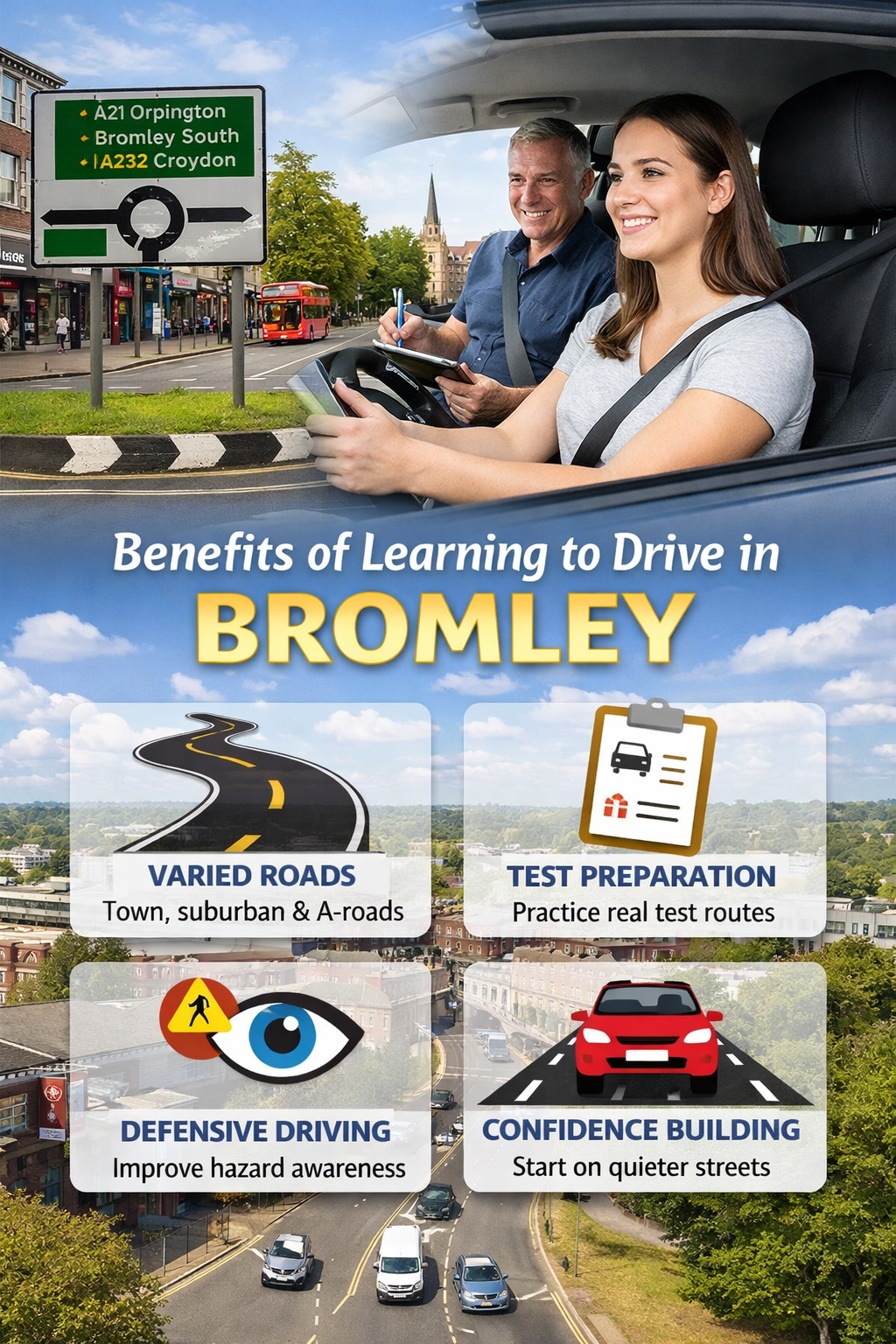
Bromley’s road network is a tapestry woven with a variety of road types, traffic conditions, and architectural influences, each demanding a different approach from the driver. New drivers will encounter high-speed arterial roads that are the arteries of the borough, carrying significant volumes of traffic, alongside the narrower, winding lanes of residential areas that require a more delicate touch. The strategic placement of traffic lights, roundabouts, and pedestrian crossings adds layers of complexity, necessitating constant vigilance and the ability to anticipate the actions of other road users. Learning to read the road, understand traffic flow, and adapt to changing circumstances are foundational skills that will be honed on Bromley’s roads.
Bromley’s road network can be broadly categorized by its function, revealing a clear hierarchy that influences speed limits, traffic density, and the types of vehicles encountered. Understanding this hierarchy is like learning the different tempos of a symphony; each movement requires a different rhythm from the driver.
Major Arterial Roads
These are the main thoroughfares, often characterized by multiple lanes, higher speed limits, and a significant volume of traffic. Roads such as the A21 (Bromley Common), A2015 (Marmora Road), and parts of the A232 are prime examples.
Characteristics and Challenges
- Speed and Flow: Expect consistent traffic flow, often at or near the national speed limit where appropriate. Maintaining a safe speed that is mindful of other vehicles and road conditions is paramount. Overtaking manoeuvres may be common, requiring new drivers to be aware of their surroundings and to only overtake when it is safe and legal to do so.
- Lane Discipline: Maintaining correct lane discipline is essential to avoid causing congestion or hazardous situations. New drivers should familiarise themselves with lane markings and signs indicating lane usage.
- Junctions and Crossings: These roads feature larger, often signal-controlled junctions, as well as pedestrian crossings. Understanding the sequencing of traffic lights and anticipating when pedestrians may step into the road are crucial skills.
Secondary and Distributor Roads
These roads connect the arterial routes to residential areas and local centres. They tend to have lower speed limits than arterial roads and may experience more varied traffic patterns.
Characteristics and Challenges
- Mixed Traffic: You will encounter a mix of traffic, including buses, delivery vehicles, and a higher proportion of local traffic. Bus lanes are a common feature, and drivers must be aware of restrictions and the movement of public transport.
- Parking and Obstructions: Residential areas often have on-street parking, which can narrow the carriageway and create potential hazards. New drivers will need to develop the skill of navigating around parked vehicles, being mindful of oncoming traffic and parked car doors opening unexpectedly.
- Local Amenities: These roads often pass by shops, schools, and community centres, leading to increased pedestrian activity and potentially more frequent stops for other drivers.
Residential Streets
These are the quieter streets within neighbourhoods. While seemingly less daunting, they present their own unique set of challenges for new drivers.
Characteristics and Challenges
- Narrowness and Visibility: Many residential streets are narrow, with limited visibility due to parked cars, hedges, and building structures. Driving at a reduced speed is imperative.
- Pedestrian and Cyclist Presence: Families, children playing, and cyclists are common on these streets. A constant state of heightened awareness is required, and new drivers must be prepared to stop suddenly if a pedestrian or child unexpectedly enters the roadway.
- Driveways and Entrances: Access to driveways and private entrances means that vehicles may be entering or leaving these areas, often without clear visibility of the main road. Always anticipate such movements.
- Speed Bumps and Traffic Calming: To reduce speeds, many residential roads are equipped with speed bumps, chicanes, or other traffic calming measures. Familiarising yourself with these and adjusting your speed accordingly is important for a comfortable and safe drive.
New drivers navigating the roads of Bromley can benefit from understanding the unique challenges and characteristics of driving in this area. For a deeper insight into how learning to drive in Bromley compares to other locations in London, you can read the article titled “Is Learning to Drive Harder Than Most Other Places in London?” which provides valuable information on the driving environment and tips for new drivers. You can find the article here: Is Learning to Drive Harder Than Most Other Places in London?.
Junctions and roundabouts are points where the flow of traffic converges and diverges, requiring precise observation and decision-making. Bromley, with its suburban sprawl, features a comprehensive network of these traffic control measures.
Traffic-Light Controlled Junctions
These are the most common type of junction and are governed by a red, amber, and green light system.
Key Considerations for New Drivers
- Anticipatory Driving: Do not just focus on the light directly in front of you. Observe the lights further ahead to gauge traffic flow and potential congestion.
- The “Lag” Effect: Be aware that there can be a slight delay between lights changing, especially on multi-phase junctions. Do not accelerate impulsively when the light turns green; ensure it is safe to proceed.
- Turning Right: Right turns at busy junctions can be particularly challenging. New drivers must learn to position themselves correctly in the lane, wait for a safe gap in oncoming traffic, and be mindful of opposing left-turning traffic.
- Junction Box Markings: Understand the purpose of yellow box junction markings. You must not enter the box unless your exit is clear, even if the traffic lights are green, to prevent blocking the junction.
Roundabouts
Bromley has a significant number of roundabouts, ranging from small mini-roundabouts to larger, multi-lane complexes.
Mastering Roundabout Etiquette
- Approach and Signalling: Always approach a roundabout at a reduced speed, observing signs and road markings to determine your exit route and the correct lane. Signal left when intending to leave at the first exit, and signal right if intending to go past the second exit, cancelling your signal as you approach your chosen exit.
- Giving Way: The golden rule of roundabouts is to give way to traffic on your right. This means you must wait for a safe gap in traffic coming from your right before entering the roundabout. This applies to all approaches, regardless of lane markings.
- Multi-Lane Roundabouts: These can be daunting. Incorrect lane choice can lead to difficulty in exiting or dangerous manoeuvres. Familiarise yourself with signs indicating lane usage for different exits. When in doubt, position yourself in the left-hand lane if taking a left or straight on exit that is not the furthest exit.
- Observation: Constant observation is key. Check your mirrors and blind spots before moving off or changing lanes on the roundabout. Cyclists may also be present, often opting to stay in a position where they are difficult to see.
Understanding Bromley’s Parking Regulations and Street Obstructions

Parking is an everyday activity that new drivers will engage in frequently. Bromley’s varied streetscape presents a range of parking challenges.
On-Street Parking
This is common in both residential and commercial areas.
- Parallel Parking: This is a fundamental skill that requires practice. New drivers should aim for sufficient space, use their mirrors effectively, and be prepared to make multiple adjustments. It is often easier to find a slightly larger space than to attempt to squeeze into a very tight spot.
- Angle Parking: Some areas may have angle parking. This requires judging distances carefully and controlling the vehicle’s speed.
- Obstructions: Be aware of dropped kerbs, which indicate pedestrian access and are often no-parking zones. Driveways, fire hydrants, and bus stops also have strict parking prohibitions.
- Road Markings: Familiarise yourself with yellow lines. Single yellow lines usually indicate parking restrictions at certain times, while double yellow lines mean no parking at any time.
Off-Street Parking Facilities
Bromley town centre and other key areas have numerous car parks.
Using Car Parks Effectively
- Manoeuvring in Tight Spaces: Car parks often involve tight turns and narrow parking bays. Slow and steady driving, combined with accurate mirror use and spatial awareness, is crucial.
- Awareness of Other Users: Car parks are busy environments with pedestrians, cyclists, and other vehicles. Always be prepared for unexpected movements.
- Different Parking Systems: Some car parks utilize multi-storey structures or underground facilities, which can involve ramps and different lighting conditions.
Dealing with Bromley’s Pedestrian and Cyclist Presence

Bromley’s suburban nature means there is a significant presence of pedestrians and cyclists, who share the roads and pavements.
Pedestrian Safety
Pedestrians are vulnerable road users whose safety must be a top priority.
Key Vigilance Points
- Pavements: Be aware that pedestrians use pavements and may step into the road at any point.
- Pelican and Puffin Crossings: Understand the difference. Pelican crossings have flashing amber lights where you must give way to pedestrians already on the crossing. Puffin crossings are traffic-signal-controlled with sensors, where the lights only change when the crossing is clear.
- Children and Elderly Pedestrians: These groups can be less predictable and may not have the same reaction times. Exercise extreme caution in areas where they are likely to be present, such as near schools and parks.
- Jaywalking: While illegal, jaywalking does occur. Always be prepared to stop for pedestrians crossing unexpectedly.
Cycling Safety
Cyclists are increasingly common on Bromley’s roads and have the same right to use the road as vehicles.
Sharing the Road with Cyclists
- Lane Position: Give cyclists sufficient space. Ideally, maintain a gap of at least 1.5 metres when passing. If this is not possible, you may need to wait for a safe opportunity to overtake.
- Blind Spots: Be particularly aware of cyclists in your blind spots, especially when changing lanes or turning.
- Door Zones: When passing parked cars, be aware of the “door zone” – the area where a car door might open. Cyclists often ride in this area to avoid traffic.
- Cyclist Junction Behaviour: Cyclists may undertake slower moving traffic or filter between lanes. Always be aware of their presence, especially when approaching junctions.
- Dedicated Cycle Lanes: Many roads in Bromley have dedicated cycle lanes. Respect these lanes and do not enter them unless absolutely necessary and safe to do so.
New drivers navigating the roads of Bromley can benefit from understanding the unique challenges they may face, as highlighted in the article on what to expect while driving in the area. For those curious about the costs associated with driving lessons in Bromley, you can find valuable insights in this related article on why driving lessons can be expensive. Being informed about both the driving environment and the financial aspects can help new drivers prepare more effectively for their journey on Bromley roads.
Adapting to Bromley’s Varying Traffic Conditions and Times of Day
Traffic conditions in Bromley can vary significantly depending on the time of day, day of the week, and specific events.
Peak Hours and Commuting Times
These are typically weekday mornings (around 7:30 AM to 9:30 AM) and evenings (around 4:30 PM to 6:30 PM).
Strategies for Busy Periods
- Increased Patience: Peak hours mean more vehicles and more potential for frustration. Maintaining patience and a calm demeanour is essential for safe driving.
- Anticipate Delays: Be prepared for slower journeys and potential traffic jams. Allow extra time for your travel.
- Higher Risk of Incidents: Congestion can lead to increased stress for drivers, potentially leading to more aggressive driving or minor collisions. Stay alert and avoid being drawn into road rage situations.
- Lane Discipline Under Pressure: Commuters can sometimes be tempted to make risky lane changes. Stick to safe lane discipline and avoid unnecessary risks.
Off-Peak Hours and Weekends
These periods generally offer less congested roads but come with their own considerations.
- Complacency Risk: While traffic may be lighter, it is crucial not to become complacent. The temptation to exceed speed limits can be higher when roads appear clear.
- Unpredictable Traffic: During off-peak hours, you may encounter a higher proportion of vehicles that are being driven less predictably, such as learner drivers, older drivers, or vehicles on leisure journeys.
- Weekend Shoppers and Leisure Drivers: Expect increased traffic around shopping centres and leisure facilities, with drivers who may be less familiar with the area or distracted by their plans.
- Road Works and Maintenance: While less common than during peak weekday hours, road maintenance can still occur at any time, leading to temporary diversions or lane closures. Always observe temporary signage.
Special Events and School Runs
Specific events or times, such as school drop-off and pick-up, can create localised traffic surges.
Localised Traffic Scenarios
- School Areas: Be extremely cautious around schools during drop-off and pick-up times. Expect sudden stops, children running into the road, and parents trying to find parking. Adhere to any temporary parking restrictions.
- Event Venues: If attending or driving near event venues, be aware of increased traffic and potential diversions. Plan your route in advance.
- Emergency Vehicle Awareness: Always be prepared to pull over safely to allow emergency vehicles to pass. Understand and heed the signals used by police and other emergency services.
In conclusion, Bromley’s roads offer a rich and varied training ground for new drivers. By understanding the road hierarchy, the nuances of junctions and roundabouts, the intricacies of parking, the importance of pedestrian and cyclist safety, and the impact of varying traffic conditions, new drivers can build the confidence and skills necessary to navigate this environment safely and responsibly. Continuous learning and a commitment to defensive driving will serve you well on Bromley’s streets and beyond.