Quiet Local Road Segments to Practise Driving Safely
Learning to drive is an important skill, and booking structured driving lessons in Bromley makes a significant difference in finding somewhere suitable for undisturbed practice. For those seeking to refine their driving abilities or gain confidence behind the wheel, identifying quiet areas is key. If you are learning with EL’s Driving School, or perhaps looking for additional practice after your formal tuition, this guide offers insights into locations near Bromley that provide a calm environment. Whether it’s for initial car control or honing specific manoeuvres, discover ideal spots to supplement your learning without the pressure of heavy traffic.
Selecting the right location for driving practice requires careful consideration. The ideal spot allows for focused learning without the distractions present on busier roads. Factors like traffic volume, road conditions, and local regulations play a crucial role.
Low Traffic Volume
The primary characteristic of a good practice area is minimal traffic. This enables a learner driver to concentrate on vehicle control, observations, and decision-making without the constant need to react to other road users. High traffic levels can induce stress and hinder the learning process.
Road Surface Quality
Smooth, well-maintained road surfaces are preferable for early driving practice. Potholes and uneven terrain can be distracting and may cause the learner to focus on navigating imperfections rather than fundamental driving skills.
Varied Road Scenarios
While starting in a completely empty area is beneficial, progression often requires encountering a variety of road scenarios. This could include gentle bends, minor junctions, and wide, quiet streets. This exposure helps build a broader skill set.
Legal Considerations
It is imperative to ensure that any chosen practice area is legally accessible for driving. This means avoiding private roads without permission and adhering to any local restrictions regarding learner drivers. Always verify that the accompanying driver meets the legal requirements for supervising a provisional licence holder.
If you’re looking for additional resources to enhance your driving skills, you might find the article on passing your driving theory test particularly useful. It offers essential tips for success that can complement your practice sessions in quiet places around Bromley. To explore these valuable insights, check out the article here: Pass Your Driving Theory Test in Bromley: Essential Tips for Success.
Specific Areas for Practice Near Bromley
Several locations around Bromley offer varying degrees of suitability for quiet driving practice. Each area presents different opportunities for skill development.
Industrial Estates on Weekends
Industrial estates often transform into remarkably quiet zones during weekends. The complete absence of weekday business traffic creates an excellent environment for focused practice.
Advantages of Industrial Estates
- Wide Roads: Many industrial estates feature broad roads designed for large vehicles, offering ample space for manoeuvres.
- Clear Markings: Road markings for junctions, parking bays, and speed limits are typically well-defined, providing clear visual cues for learners.
- Low Obstruction: Fewer parked cars or pedestrians provide an uncluttered space for concentration.
- Predictable Layouts: Roads tend to be grid-like or follow simple patterns, making navigation less complex.
Potential Disadvantages
- Limited Variety: While good for basic control, industrial estates may lack the complexity of residential or rural roads.
- Occasional Heavy Vehicles: Despite being quiet on weekends, some estates may still have occasional deliveries or security patrols.
- Vulnerability to Anti-Social Behaviour: A very small number of industrial estates may experience anti-social driving at odd hours; it is wise to visit during daylight.
Example: Cray Avenue Industrial Estate
 Located near Orpington and Sidcup, parts of the Cray Avenue industrial estate can be surprisingly quiet on a Sunday morning. Its wide roads and numerous bays are conducive for practicing parallel parking, bay parking, and general car control at low speeds. The junctions within the estate are generally straightforward, allowing a learner to focus on observations and signaling without the pressure of continuous traffic flow. It is essential to ensure you are on public roads within the estate.
Large Supermarket Car Parks (Outside Peak Hours)
While not entirely traffic-free, large supermarket car parks, particularly during off-peak times, offer a controlled environment for certain manoeuvres.
Best Times for Practice
- Early Mornings (Sunday/Monday): Before opening hours or shortly after, car parks are often sparsely populated.
- Late Evenings: Closer to closing time, the number of vehicles diminishes significantly.
- Weekday Mid-Mornings/Afternoons: Between school drop-off and collection times, or lunch rushes, car parks can be quieter.
Skills to Practice Here
- Bay Parking: Supermarket car parks are ideal for practicing both forward and reverse bay parking, with clearly marked bays.
- Reversing Around Corners: While not always a ‘test’ manoeuvre, backing into a space requires similar skills.
- Slow Speed Control: Navigating aisles and avoiding obstacles hones clutch control and steering precision.
- Observation: Even with fewer cars, observing pedestrians and other vehicles is a constant requirement.
Considerations
- Pedestrian Traffic: Even in quiet periods, pedestrians can appear, requiring constant vigilance.
- Obstacles: Trolley bays, lamp posts, and trolleys themselves provide real-world obstacles to navigate.
- Private Land: Car parks are private property, though generally accessible for public use. Be respectful and ensure you are not causing disruption.
Example: Tesco Extra or Sainsbury’s Superstores
The large out-of-town Tesco Extra or Sainsbury’s stores near Bromley (e.g., at Orpington, Sidcup, or Lewisham, depending on your exact location relative to Bromley) typically have expansive car parks. On a Sunday morning before opening, these are excellent for practicing bay parking and reversing exercises. During these times, the car parks are usually nearly empty, providing a safe and spacious environment.
Residential Areas with Wide, Quiet Streets
Certain residential areas feature wider streets that experience minimal through traffic, creating peaceful practice zones.
Characteristics of Suitable Residential Streets
- Cul-de-Sacs: These no-through roads minimize traffic flow and offer safe areas for U-turns and three-point turns.
- Roads with Limited Access: Streets that do not lead to major thoroughfares often have reduced traffic.
- Mature Estates: Older estates with established trees and larger gardens sometimes have wider, less busy roads.
Manoeuvres Suited for Residential Streets
- Three-Point Turn: The wide and quiet nature of some residential streets makes them ideal for this manoeuvre.
- Pulling Up on the Right: Practicing stopping on the right, reversing two car lengths, and rejoining the left side of the road.
- Driving at Various Speeds: Practicing maintaining appropriate speeds and gear changes in a less pressured environment.
- Junction Work: Observing and navigating quieter junctions helps build confidence before moving to busier intersections.
Respecting Residents
- Avoid Excessive Repetition: Continuously performing the same manoeuvre outside a resident’s home can be disruptive.
- Keep Noise Down: Engine noise and loud conversations can be inconsiderate.
- Do Not Block Driveways: Always be mindful of access points for residents.
Example: Parts of Bickley and Chislehurst
 Specific pockets within Bickley and Chislehurst, particularly some of the more established, tree-lined residential roads that are not main arterial routes, can offer ideal conditions. Look for streets that are clearly residential and do not serve as shortcuts. For instance, some of the roads off Southborough Lane in Bickley, away from schools or busy local shops, might provide suitable stretches for practicing. Similarly, certain roads within the Chislehurst Conservation Area, avoiding the village centre, can be quiet.
Business Parks (Peak Time Avoidance)
Similar to industrial estates, business parks can offer calm surroundings outside of traditional working hours.
Timing is Crucial
- Evenings After 6 PM: Once businesses close, traffic volume drops significantly.
- Weekends: Saturday and Sunday often see very few vehicles.
- Public Holidays: These can render business parks almost deserted.
Benefits of Business Parks
- Modern Road Layouts: Often feature clear road markings, roundabouts, and well-designed junctions.
- Good Lighting: Newer business parks typically have good street lighting for evening practice.
- Variety of Road Features: May include mini-roundabouts, speed bumps, and various types of parking.
Potential Drawbacks
- Security: Some business parks may have security patrols; ensure your presence is legitimate.
- Occasional Deliveries: Very early mornings or late evenings might see delivery vehicles.
- Limited Pedestrian Facilities: Sidewalks may be less defined, requiring extra vigilance for the occasional pedestrian.
Example: Sidcup By-Pass Business Park
Located off the A20 Sidcup By-Pass, this business park can be a good option. Particularly on weekend mornings or Sunday afternoons, the internal roads within this park become very quiet. It features a mix of straight roads, gentle curves, and some smaller roundabouts, providing a realistic but low-pressure environment for practicing a range of skills, including clutch control, gear changes, and navigating junctions.
Rural Roads (Selected Sections)
While more challenging, carefully chosen rural roads can offer valuable experience, particularly for developing speed control and hazard perception.
Choosing Wisely
- Avoid Single-Track Roads: These are too complex for early learners.
- Look for Wider Lanes: Roads with a clear two-way flow and good visibility are best.
- Minimize Blind Bends: Until confidence grows, roads with good sightlines are safer.
- Check for Equestrian/Cyclist Activity: Rural roads often have horse riders and cyclists; be prepared to react safely.
Skills for Rural Practice
- Speed Management: Learning to adjust speed for different road conditions and bends.
- Hazard Perception: Identifying potential hazards like animals, farm vehicles, or slow-moving traffic.
- Reading the Road: Interpreting road signs, markings, and the road’s topography.
- Overtaking Decisions (Supervised): Discussing when and if it is safe to overtake (not for initial practice).
Increased Risk
Rural roads inherently carry more risk due to higher speeds, less predictable hazards, and often more limited escape routes. This practice should only be undertaken with an experienced supervisor and a learner who has achieved a good level of basic vehicle control and confidence.
Example: Roads Around Downe and Cudham**
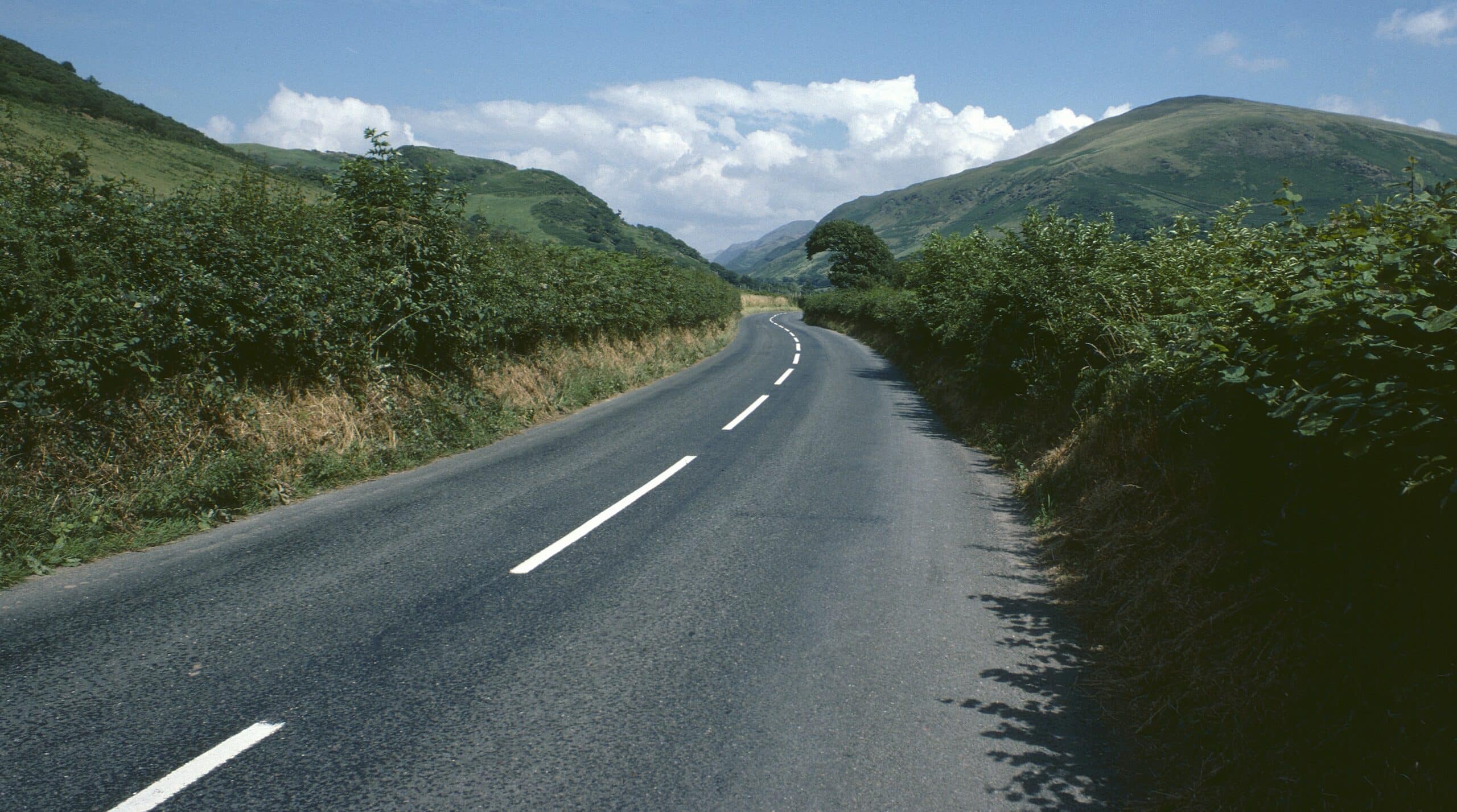
Certain stretches of road around the villages of Downe and Cudham, particularly the less travelled routes rather than the main village high streets or connecting roads, can be suitable. For instance, specific, wider roads that link minor hamlets without heavy through traffic, could provide experience with varying gradients and bends. It is crucial to scout these areas ahead of time to ensure they are genuinely quiet and have good visibility. The emphasis here is on specific, carefully selected sections, not the entire network of country lanes, many of which are unsuitable due to narrowness or blind corners.
General Advice for Practice Sessions
Beyond selecting the right location, how you approach practice sessions also impacts effectiveness.
Always Have a Qualified Supervisor
A supervisor must be over 21 years old and have held a full, valid driving licence for at least three years (for the type of vehicle being driven). They must also meet the eyesight requirements.
Plan Your Route
Even for practice, having a general plan for what you intend to achieve during the session helps with focus. Will you work on parking, junctions, or simply general driving?
Set Clear Objectives
Break down your practice into achievable goals. Instead of “drive around,” aim for “practice three-point turns” or “focus on mirror checks at junctions.”
Start Simple, Progress Gradually
Begin in the quietest, most straightforward environments. As confidence and skill grow, slowly introduce more complex scenarios.
Maintain Communication
The supervisor and learner should maintain clear and constructive communication throughout the session. Feedback should be immediate and helpful.
Regular Breaks
Driving practice can be mentally demanding. Take short breaks to maintain concentration and prevent fatigue.
Check Vehicle Readiness
Ensure the vehicle is roadworthy, insured for the learner driver, and has sufficient fuel. L plates must be displayed clearly.
Be Aware of Time of Day
Traffic patterns vary throughout the day. Early mornings (especially weekends) and late evenings are generally quieter. Avoid school drop-off/pick-up times and rush hour.
Weather Conditions
Practice in varied weather conditions once confidence permits. However, initial practice should be in clear, dry conditions.
Legal Responsibility
Remember that the legal responsibility for the vehicle rests with both the learner (for their actions) and the supervisor (for ensuring safe practice). Both should be fully aware of the Highway Code.
If you’re looking for quiet places to practice driving near Bromley, you might find it helpful to explore some tips on learning to drive in nearby areas. For instance, an article on the challenges of learning to drive in West Wickham offers valuable insights that can enhance your practice sessions. You can read more about it in this informative article, which discusses various strategies to navigate the local roads with confidence.
Conclusion
Finding quiet places to practice driving near Bromley is not an insurmountable challenge. By strategically utilising industrial estates, supermarket car parks during off-peak hours, selected residential streets, and specific business parks, learner drivers can gain valuable experience in a low-stress environment. Rural roads can also offer advanced practice opportunities when chosen with extreme care. The key is to select locations that match the learner’s current skill level, ensure proper supervision, and prioritise safety throughout the practice journey. Consistent and thoughtful practice in these quiet zones will significantly build the confidence and competence required for successful driving.