West Wickham Driving Routes: Where Learners Often Struggle
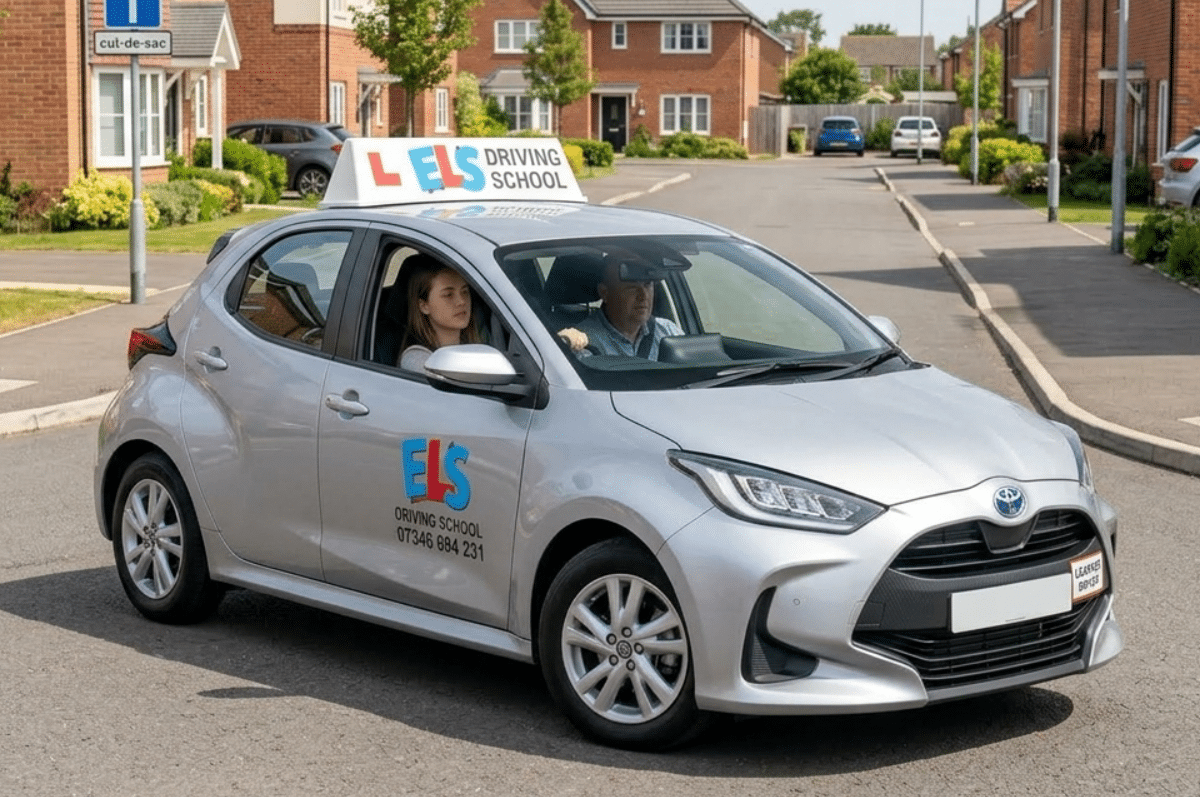 Learning to drive around West Wickham means dealing with a mixture of busy roads, roundabouts, junctions and residential streets. Each presents a different challenge, particularly when you’re still building confidence and learning to make decisions quickly.
The good news is that these situations become much easier with practice. Understanding what to look for, planning ahead and knowing when to slow down can make a real difference.
Here are some of the common challenges learners should work on when driving around West Wickham.
1. West Wickham High Street: Managing Traffic and Pedestrians
Busy high streets can be demanding for new drivers because there’s so much to monitor at once. Traffic may stop unexpectedly, buses can pull away from stops, and pedestrians may approach crossings while you’re concentrating on the road ahead.
Common mistakes
- Looking only at the vehicle directly in front rather than scanning further ahead.
- Braking late when traffic slows.
- Approaching pedestrian crossings without checking both sides carefully.
- Becoming distracted by parked vehicles or activity along the pavement.
How to improve
Look well ahead and anticipate changes in traffic rather than reacting at the last moment. Keep a safe following distance, check your mirrors before changing speed or position, and approach crossings at a speed that allows you to stop safely.
Don’t feel pressured to keep up with the vehicle in front. Your priority is to maintain control and make safe decisions.
2. Junctions: Choosing the Right Position Early
Junctions can be difficult when you need to assess traffic, follow road markings and decide which direction to take at the same time.
Learners sometimes focus so much on the approaching junction that they leave their positioning until too late.
Common mistakes
- Approaching too quickly.
- Missing signs or road markings.
- Selecting the wrong lane and making a last-minute correction.
- Failing to check mirrors before changing position.
How to improve
Read the road ahead as early as possible. Check signs and markings, choose your position in good time and reduce your speed appropriately.
If you are unsure which way to go, don’t make a sudden manoeuvre. Continue safely and allow your instructor to help you understand the correct approach when you can stop and review it.
3. Mini-Roundabouts: Observation and Timing
Mini-roundabouts can catch learners out because decisions often need to be made in a relatively short space of time.
The challenge isn’t simply knowing the rules. It’s judging the speed and position of approaching vehicles, identifying a safe opportunity to proceed and maintaining the correct road position.
Common mistakes
- Approaching too quickly to assess the situation.
- Looking right but failing to check the wider traffic situation.
- Giving way unnecessarily when it is safe to proceed.
- Moving off before properly judging another vehicle’s approach.
- Cutting across the central markings where this could have been avoided.
How to improve
Reduce your speed early enough to give yourself time to observe. Look for traffic approaching from the right, assess the full situation and give way when required.
Once it is safe to proceed, move off smoothly and follow the appropriate path around the roundabout. The aim is to make a clear, considered decision rather than rushing or hesitating without reason.
4. Residential Roads: Parked Cars and Oncoming Traffic
Quieter residential roads around West Wickham, including areas towards Manor Park and Coney Hall, can present a different challenge: limited space.
Parked cars may narrow the available road, meaning you need to judge whether there is enough room to pass safely or whether you should wait.
Common mistakes
- Not spotting parked vehicles early enough.
- Assuming there is enough room for two vehicles to pass.
- Driving too quickly past parked cars.
- Moving into a narrow gap without considering oncoming traffic.
How to improve
Look well ahead and identify possible passing places before you reach an obstruction. Consider the width of the road, the position of parked vehicles and whether another driver is approaching.
If the gap is too narrow, slow down or stop in a safe position and allow the other vehicle to pass. Never assume that the other driver will give way.
Good planning makes these situations far less stressful.
5. Larger Roundabouts and More Complex Junctions
As your driving develops, you will need to become comfortable with larger roundabouts and junctions with multiple lanes.
These require you to process signs, road markings, traffic movements and your intended exit while maintaining safe control of the car.
Common mistakes
- Leaving lane selection too late.
- Focusing on one vehicle and missing other traffic.
- Changing lanes without checking mirrors and blind spots.
- Losing track of the intended exit.
How to improve
Read the signs and road markings well before reaching the roundabout. Choose the appropriate lane early, check your mirrors and blind spots before moving sideways, and maintain awareness of the vehicles around you.
If you miss your intended exit, don’t attempt a sudden correction. Continue safely and follow the road until you can find a suitable alternative.
Your instructor can help you build these skills progressively, starting with simpler situations before moving on to busier junctions.
A Quick Guide to Common Driving Challenges
| Situation | Common difficulty | What to practise |
|---|---|---|
| Busy high streets | Anticipating traffic and pedestrians | Scanning ahead and controlling speed |
| Junctions | Positioning and decision-making | Reading signs and planning early |
| Mini-roundabouts | Judging gaps in traffic | Observation and timing |
| Residential roads | Passing parked vehicles safely | Forward planning and speed control |
| Larger roundabouts | Lane choice and awareness | Reading signs and maintaining position |
Nervous About Driving Around West Wickham?
It’s perfectly normal to find unfamiliar roads challenging when you’re learning. You don’t need to master every situation immediately.
Confidence comes from practising individual skills, understanding what went wrong when a situation feels difficult, and repeating it until your decisions become more natural.
Your lessons should progress at a pace that allows you to build experience without feeling overwhelmed. If a particular junction or road causes difficulty, discuss it with your instructor and work on the skills you need to manage it safely.
If nerves are making driving harder, our guide to calm driving lessons for nervous learner drivers may also help.
Build Your Confidence on Local Roads
At EL’s Driving School, we provide automatic driving lessons and help learners develop the observation, judgement and road awareness needed for everyday driving. Elgin is a Grade A Approved Driving Instructor who has been teaching since 2004.
If you’re looking for structured tuition, you can find out more about our automatic driving lessons in West Wickham.
The aim isn’t to memorise a particular route. It’s to develop the skills to deal safely with whatever the road presents.