What Happens If You Hit the Kerb on a Test?
 Navigating the intricacies of a driving test can be a nerve-wracking experience. One common concern for many learners is the dreaded kerb strike. Whether you’re worried about your parallel park, a sharp turn, or simply misjudging a corner, encountering the kerb can instantly fill you with dread. For expert guidance and comprehensive lessons, consider visiting a reputable driving school. If you’re looking to develop your driving expertise and gain confidence behind the wheel, quality driving tuition is invaluable. Learning to drive safely and skillfully is a journey, and having the right instruction can make all the difference. For more information on becoming a proficient driver, explore the resources available at a professional driving instruction establishment.
Hitting the kerb during your driving test isn’t an automatic fail, but its impact largely depends on the severity and context of the incident. Examiners assess a range of factors, from how hard you hit it to whether it caused any loss of control. The goal of the driving test is to ensure you are a safe and competent driver, capable of operating a vehicle responsibly and without undue risk to yourself or other road users. Kerb strikes can be indicative of poor observation, incorrect steering, or misjudgment of distances, all of which are critical driving skills.
Minor Faults vs. Serious Faults
Driving test examiners differentiate between minor faults (driving faults) and serious faults. A minor fault, often referred to as a ‘driving fault,’ indicates that you made a mistake but it did not pose a significant danger. You are permitted to accumulate up to 15 minor faults, but if you exceed this, it will result in a test failure. Conversely, a serious fault, previously known as a ‘major fault,’ is a mistake that is either potentially dangerous or represents a clear habitual error. One serious fault is enough to cause an immediate test failure.
Factors Influencing the Examiner’s Decision
Several factors will influence how an examiner perceives a kerb strike. These include the speed at which you hit the kerb, the force of the impact, whether it caused the vehicle to bounce, the specific manoeuvre you were performing, and crucially, if it endangered anyone or anything. A gentle brush of the tyre against the kerb while parking is vastly different from mounting the kerb at speed, which presents a far greater risk.
If you’re curious about the implications of hitting the kerb during a driving test, you might find it helpful to read a related article on turning techniques. This article provides valuable insights into proper turning methods and how to navigate corners safely, which can help prevent kerb collisions. You can check it out here: Turning Left and Right.
Different Scenarios of Kerb Contact
The significance of hitting the kerb can vary greatly depending on the specific situation in which it occurs. Understanding these scenarios can help you assess your likely outcome.
During Manoeuvres
Manoeuvres are specifically designed to test your control, observation, and judgment at lower speeds.
Parallel Parking
This is arguably the most common manoeuvre where kerb contact occurs. A gentle touch of the tyre against the kerb is often acceptable, especially if you correct it smoothly and without undue difficulty. However, mounting the kerb, driving along it for a significant distance, or hitting it so hard that the car bounces will almost certainly be a serious fault. The key here is controlled movement and awareness of your surroundings. If you show a complete lack of awareness, perhaps not even realising you’ve touched the kerb, then this could also be deemed a serious fault.
Reverse Bay Parking
Similar to parallel parking, a light touch of the kerb at the back of the bay is generally considered a minor fault, provided you demonstrate control and good observation. Mounting the kerb excessively, or if it leads to poor positioning within the bay (for example, you end up largely outside the lines), could result in a serious fault. The examiner is looking for precision and the ability to accurately gauge your vehicle’s position.
Forward Bay Parking
Less commonly associated with kerb strikes, as you’re primarily moving forwards. However, if you’re parking against a raised kerb or a wall, hitting it with any significant force would indicate poor judgment and could be a serious fault. The emphasis is on maintaining control and parking safely within the marked bay.
Reversing Around a Corner
This manoeuvre requires precise steering and observation. Brushing the kerb gently as you reverse, especially if you correct it immediately, might be a minor fault. However, mounting the kerb, hitting it hard, or struggling significantly to keep the car close to the kerb could lead to a serious fault. The examiner pays close attention to your ability to maintain a consistent distance from the kerb and your all-round observation.
During General Driving
Kerb contact can also happen during normal driving, often due to poor observation or misjudgment.
Turning Left at an Intersection
This is another common scenario. If you turn too sharply or too widely and clip the kerb with your left wheels, it could be a minor fault. However, mounting the kerb significantly, especially if it caused the car to jolt or if there were pedestrians nearby, would likely be deemed a serious fault. The examiner will be looking for you to position the car correctly before the turn, maintain a safe turning arc, and adjust your speed appropriately.
Roundabouts
Misjudging the path through a roundabout, particularly smaller ones, can sometimes lead to clipping the internal kerbs. As long as this is a very gentle brush and doesn’t cause any loss of control or danger, it might be a minor fault. However, driving over the central island (unless it’s a mini-roundabout where this is permitted if obstruction dictates), or mounting kerbs at speed, would be a serious fault. The primary concern is maintaining a safe and correct path without endangering other road users.
Avoiding Obstacles
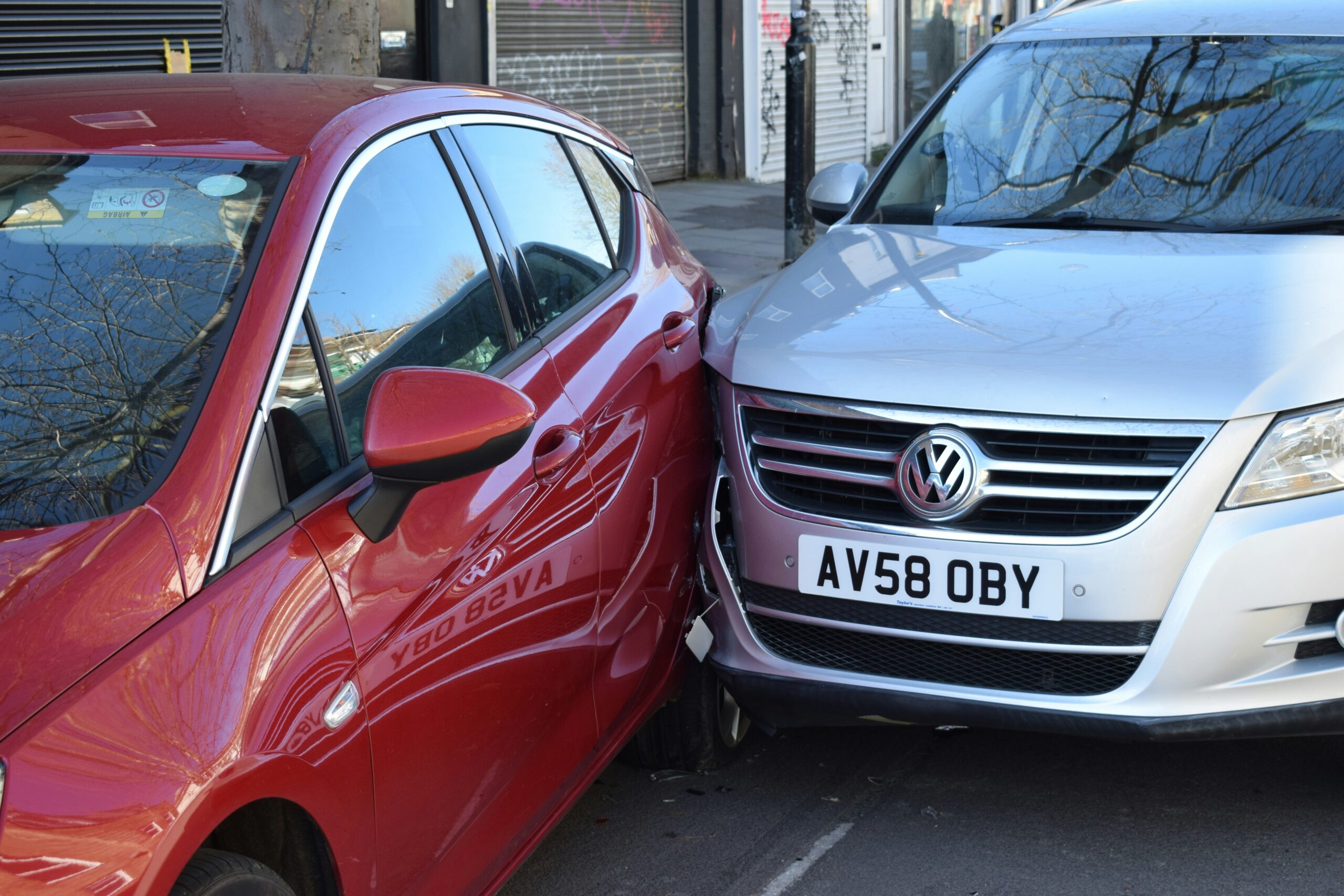 If you swerve too sharply to avoid an obstacle (e.g., a parked car or a pothole) and, in doing so, hit the kerb on the other side of the road, the examiner will assess the overall situation. If your primary action to avoid the obstacle was safe and controlled, and the kerb contact was minimal and didn’t create a further hazard, it might be a minor fault. However, an uncontrolled swerve that leads to a significant kerb strike because you’ve overreacted could be a serious fault. The examiner prioritises your ability to handle unexpected situations safely.
Immediate Actions and Examiner’s Observation
What you do immediately after hitting the kerb can also play a role in the examiner’s assessment.
Smooth Correction vs. Panic
If you gently touch the kerb and immediately and smoothly correct your steering, demonstrating control and awareness, it’s far less likely to be a serious fault than if you panic, overcorrect, or freeze. The examiner is looking for your ability to recover from minor errors safely. A driver who can calmly rectify a mistake is seen as more competent than one who loses control.
Observation
Did you notice you hit the kerb? If the examiner has to point it out to you, it suggests a lack of awareness, which is a significant concern. Demonstrating that you are observing your surroundings, including the position of your vehicle relative to the kerb, is crucial. If you indicate that you noticed, through a glance or a slight adjustment, it reinforces your observational skills.
Continuation of the Test
Unless the kerb strike was extremely severe and potentially damaging to the vehicle, or dangerously aggressive, the test will usually continue. Examiners are trained to assess the overall driving performance, not just isolated incidents. Dwelling on a minor kerb strike can lead to further errors, so it’s important to regroup and refocus on the remainder of the test.
Preventing Kerb Strikes: Tips for Learners
Prevention is always better than cure, especially on your driving test. Here are some techniques to help you avoid kerb contact.
Effective Use of Mirrors
Regularly checking your mirrors, especially your wing mirrors, helps you understand your vehicle’s proximity to the kerb. Before and during manoeuvres, and when approaching turns, quick glances in your mirrors will provide crucial information. This is particularly vital for parallel parking and reversing around a corner, where the left mirror gives direct feedback on your distance from the kerb.
Proper Vehicle Positioning
Maintain a consistent and safe distance from the kerb during general driving. This doesn’t mean being in the middle of the road, but rather positioning your car appropriately for the width of the road and any road markings. When turning left, aim for a position that allows you to turn smoothly without cutting the corner or swinging too wide.
Steering and Speed Control
Smooth, controlled steering is key. Avoid jerky movements. Combine this with appropriate speed control. Slow down significantly for manoeuvres and turns, giving yourself more time to react and correct. Many kerb strikes occur when drivers try to steer too quickly at too high a speed.
Reference Points
During manoeuvres, learn to use reliable reference points both inside and outside the car. For example, knowing when a certain part of your car aligns with a specific point on the kerb can help you gauge distances more accurately. Your driving instructor will teach you these valuable reference points.
Practice, Practice, Practice
There’s no substitute for practical experience. The more you practice manoeuvres and general driving in various conditions, the more confident and precise you’ll become. Repetition builds muscle memory and improves your judgment of space and speed.
If you’re preparing for your driving test, you might be wondering about the consequences of hitting the kerb during the exam. Understanding the potential impact on your test results can help you approach your driving with more confidence. For more insights on driving lessons and how many you might need to feel fully prepared, you can check out this informative article on driving lessons. This resource can provide valuable guidance as you navigate your way to becoming a safe and skilled driver.
What Happens After the Test?
Regardless of whether you passed or failed, you’ll receive feedback from your examiner.
Examiner’s Feedback
The examiner will provide a detailed summary of your performance, highlighting any minor or serious faults. If you hit the kerb, they will explain why it was marked as it was (e.g., “lost control on approach to corner,” “poor observation during reverse park,” or “minor wheel contact with kerb”). This feedback is invaluable for future learning, whether you passed or need to re-take the test.
If You Passed
Even if you passed with a minor fault for kerb contact, it’s still a point to reflect on. While it didn’t stop you from getting your licence, it’s an area where you can improve to become an even safer and more confident driver. Continue to practice your manoeuvres and focus on your spatial awareness.
If You Failed
If a kerb strike contributed to a serious fault and a failure, don’t be disheartened. Understand why it was a serious fault and work on improving those specific skills. Book more lessons with your instructor to focus on the areas where you struggled. View it as an opportunity to become a better driver rather than a definitive failure. The experience provides valuable lessons for your next attempt. Re-booking your test might require a waiting period, so use this time wisely to refine your driving.
When preparing for your driving test, understanding the implications of hitting the kerb is crucial for your success. Many learner drivers often worry about minor mistakes during the test, but knowing how to handle such situations can make a significant difference. For those looking to enhance their driving skills and familiarize themselves with local routes, you might find it helpful to explore this article on navigating Beckenham, which highlights the best local routes and landmarks that can aid in your preparation.
Final Thoughts for Test Day
On the day of your driving test, it’s natural to feel some nerves. However, remember that the examiner wants to see you drive safely and confidently.
Stay Calm and Focused
Even if you make a mistake, drawing too much attention to it or allowing it to rattle you can lead to further errors. Take a deep breath, recalibrate, and continue driving as if the mistake didn’t happen, focusing on the road ahead. Your ability to recover gracefully from a minor error can actually impress an examiner.
Trust Your Training
You’ve spent hours learning with your instructor. Trust the techniques and advice they’ve given you. All the preparation you’ve undertaken is designed to equip you for this test.
Hitting the kerb on a driving test isn’t automatically a failure, but its outcome depends heavily on the context, severity, and your reaction. By understanding the common scenarios, practicing good driving habits, and maintaining calm and focus, you can minimise your chances of making such a mistake or, if it does happen, ensure it doesn’t lead to a test failure. Safe driving is about continuous learning and refinement, even after you’ve passed your test.