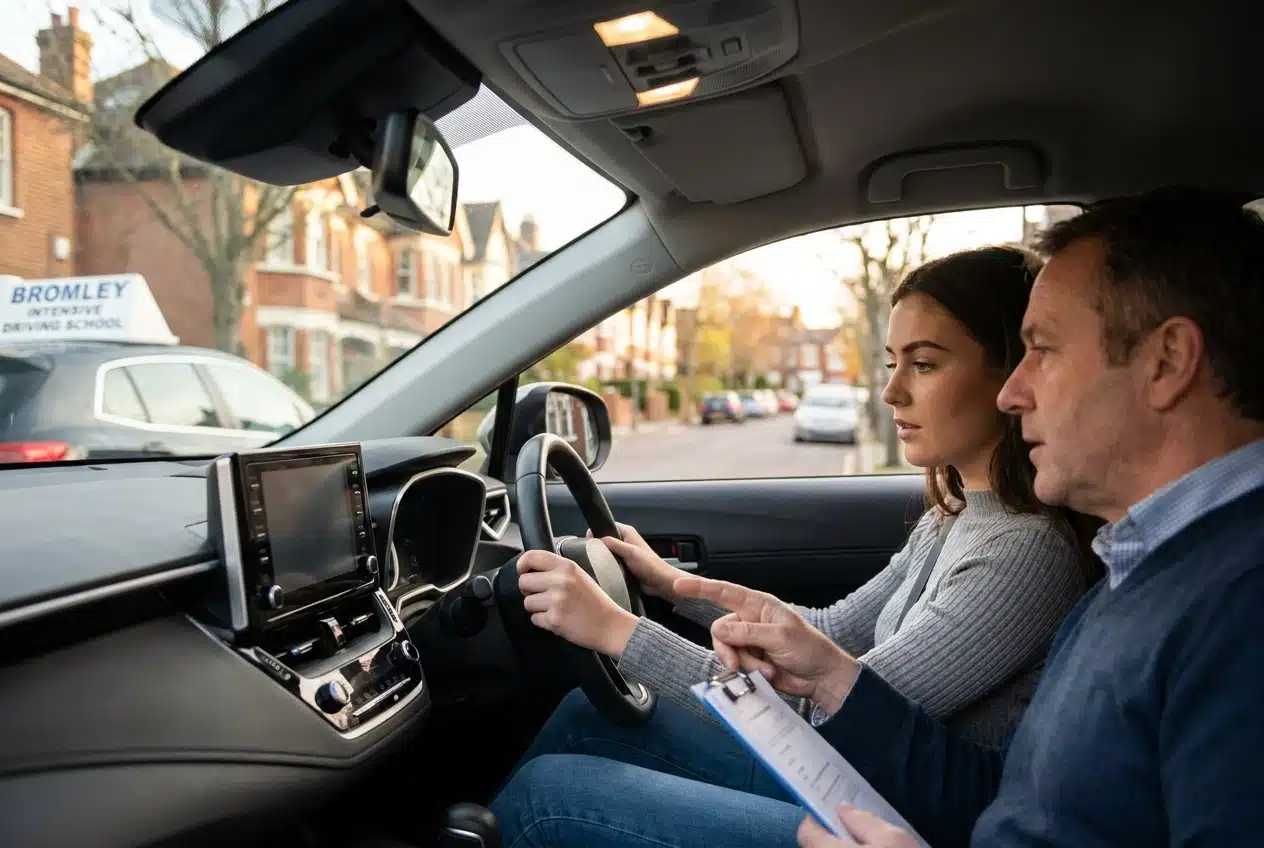
Starting your driving journey is an exciting milestone. Whether you’re aiming for the freedom of the open road or simply need to get around more easily, your first driving lesson is a crucial step. To ensure a smooth and productive experience, it’s essential to be thoroughly prepared. This comprehensive guide will walk you through everything you need to bring and consider for that initial lesson, setting you up for success. Learn more about taking up driving lessons and getting started on your journey with trusted instructors. You can also explore options for learning to drive with skilled professionals and discover how to gain confidence behind the wheel. Don’t forget to check out how to book your first driving lesson for an overview of what’s involved.
Your driving instructor will need to verify your identity and legal right to learn to drive. Forgetting these crucial documents could lead to your lesson being cancelled, wasting your valuable time and money.
Your Provisional Driving Licence
This is, without a doubt, the most important item on your checklist. Without a valid provisional driving licence, you are legally not allowed to drive on public roads, even with an instructor present.
- Physical Card Photo Card: Ensure you bring the physical photocard licence issued by the DVLA. A photocopy or picture on your phone will not suffice.
- Check the Expiry Date: Before your lesson, quickly check the expiry date of your provisional licence. While provisional licences typically last for 10 years, it’s always good practice to ensure it’s still valid.
- Address Accuracy: Double-check that the address on your licence is current. If you’ve moved house and haven’t updated your licence, it’s best to do so as soon as possible.
- Endorsements: Briefly review your licence for any endorsements or restrictions that might affect your driving. While unlikely for a provisional, it’s good to be aware.
Proof of Identity (If Required)
While your provisional licence serves as your primary form of identification for driving purposes, some instructors or schools might request an additional form of ID, especially if there are any discrepancies or if they have a stricter verification policy.
- Passport: A valid passport is an internationally recognised form of identification and can be useful to have as a backup.
- Bank Card with Name: A bank debit or credit card displaying your name can sometimes be used as a supplementary form of ID, though it’s less common.
- Utility Bill: A recent utility bill (within the last three months) showing your current address can also serve as proof of residence if needed.
If you’re preparing for your first driving lesson, it’s essential to know what to bring along to ensure a smooth experience. Alongside the Driving Lesson Checklist: What to Bring to Your First Lesson, you might find it helpful to read about the prerequisites for starting your driving journey. For more information on whether you can take driving lessons before passing your theory test, check out this related article here.
Personal Comfort and Practicalities: Making Your Experience Smoother
While documentation is about legality, ensuring your personal comfort and being practical about your attire can significantly impact your focus and ability to learn.
Appropriate Footwear
This is often underestimated but plays a huge role in your ability to control the car safely and effectively.
- Flat Shoes: Always opt for flat shoes. Heels, wedges, or platform shoes can impair your ability to feel the pedals and make it difficult to operate them smoothly.
- Comfortable and Secure: Choose shoes that are comfortable and securely fastened. Loose shoes, flip-flops, or sandals can slip off the pedals or become tangled, creating a dangerous situation.
- Thin Soles (Preferable): Shoes with thinner soles allow you to feel the pedals better, which is crucial for developing good clutch control and accurate braking. Think trainers, ballet flats, or soft-soled boots. Avoid chunky, rigid soles.
- Avoid Bare Feet: Never drive barefoot. This is not only illegal in some regions (though not explicitly in the UK, it can be deemed driving without due care and attention if it leads to an accident) but also significantly reduces your control and grip on the pedals.
Comfortable Clothing
Your attire should allow for unrestricted movement and prevent any distractions during your lesson.
- Loose-Fitting and Unrestrictive: Wear clothing that doesn’t hinder your movement, especially when turning the steering wheel, checking mirrors, or operating the pedals. Tight jeans, very restrictive jackets, or cumbersome layers can be uncomfortable.
- Layered Clothing: Consider wearing layers, especially if the weather is unpredictable. You want to be able to adjust your temperature to remain comfortable and focused. An overheated or cold driver is a distracted driver.
- Avoid Distractions: Steer clear of excessively baggy sleeves, long scarves, or large jewellery that could get caught on controls or obstruct your view.
- Respect the Weather: If it’s raining, bring a waterproof jacket. If it’s cold, ensure you have warm clothing. If it’s sunny, consider sunglasses.
Eyewear (If Needed)
If you require glasses or contact lenses for driving, it’s absolutely vital that you wear them.
- Bring Them! This might seem obvious, but nervousness can sometimes make people forget essential items. If your licence states you need corrective lenses, you must wear them.
- Spare Pair: It’s a good idea to have a spare pair of glasses or contact lenses, just in case something happens to your primary pair.
- Sunglasses: If it’s a bright day, sunglasses can prevent glare and improve visibility. However, ensure they aren’t overly dark or obscure your vision.
Tools for Learning and Retention: Maximising Your Lesson’s Value

Your first lesson isn’t just about driving; it’s about learning and absorbing a lot of new information. Having the right tools to aid this process can be incredibly beneficial.
Notebook and Pen
Even in this digital age, the simple notebook and pen remain incredibly effective learning tools.
- Jot Down Key Points: Your instructor will be giving you a lot of information – about the car’s controls, road rules, and practical tips. Quickly noting down key points will help you remember them later.
- Questions to Ask: As you learn, questions will inevitably pop into your head. Write them down so you don’t forget to ask your instructor.
- Personal Reflections: After the lesson, you can use your notebook to write down what went well, what you found challenging, and what you want to focus on next time. This self-reflection is invaluable for progress.
- Diagrams: Sometimes a quick sketch of a junction or a manoeuvre can be more illustrative than words.
Water Bottle
Staying hydrated is crucial for maintaining focus and concentration, especially when experiencing something new and potentially stressful.
- Keep Hydrated: Even short driving lessons can be mentally draining. A small bottle of water can help keep you refreshed.
- Avoid Sugary Drinks: Opt for water over sugary drinks, which can lead to energy crashes.
- Limit Caffeine: While a little caffeine might seem helpful, too much can make you jittery, which is not ideal for learning to drive.
Mental Preparation and Mindset: The Intangibles You Bring

Beyond the physical items, your mental state and approach to the lesson are equally important for a successful first experience.
A Positive Attitude
Approaching your lesson with enthusiasm and an open mind can significantly impact your learning.
- Be Eager to Learn: Show your instructor you’re keen to absorb new information and improve.
- Embrace Mistakes: Everyone makes mistakes when learning to drive. See them as learning opportunities, not failures. A positive outlook helps you bounce back and understand why something went wrong.
- Be Patient with Yourself: Learning to drive is a process, not a race. There will be good days and challenging days. Be patient and kind to yourself throughout.
Readiness to Listen and Absorb Information
Your instructor is a trained professional with a wealth of knowledge. Being receptive to their guidance is paramount.
- Active Listening: Pay close attention to your instructor’s explanations and instructions. Try to anticipate what they might ask you to do next.
- Ask Questions: If you don’t understand something, don’t hesitate to ask for clarification. It’s far better to ask than to proceed unclear.
- Follow Instructions: Trust your instructor’s expertise and follow their directions. They are guiding you for your safety and to help you learn efficiently.
When preparing for your first driving lesson, it’s essential to know what to bring along to ensure a smooth experience. Alongside your checklist, you might find it helpful to explore the differences between manual and automatic driving lessons. Understanding these distinctions can aid in making an informed decision about which type of lesson suits you best. For more insights, check out this informative article on manual vs. automatic driving lessons.
Pre-Lesson Preparations: What to Do Before You Head Out
A few things done before you even leave your house can make a significant difference to your first lesson.
Get a Good Night’s Sleep
Being well-rested is fundamental for effective learning and decision-making.
- Sharp Mind: A tired mind will struggle to concentrate, process new information, and react quickly – all critical skills for driving.
- Reduced Stress: Fatigue can exacerbate stress and anxiety. Ensure you’re well-slept to approach your lesson with a calm and focused mind.
Have a Light Meal
Avoid feeling hungry or overly full, as both can be distracting.
- Sustained Energy: A light, balanced meal an hour or two before your lesson will provide sustained energy without making you feel sluggish.
- Avoid Heavy Meals: A very heavy meal just before driving can make you feel uncomfortable and drowsy.
- Steer Clear of Sugary Snacks: While they offer a quick energy boost, the subsequent crash can impact your concentration.
Familiarise Yourself with Basic Road Rules (Optional but Recommended)
While your instructor will teach you everything you need to know, having a basic understanding of key road signs and rules beforehand can give you a head start.
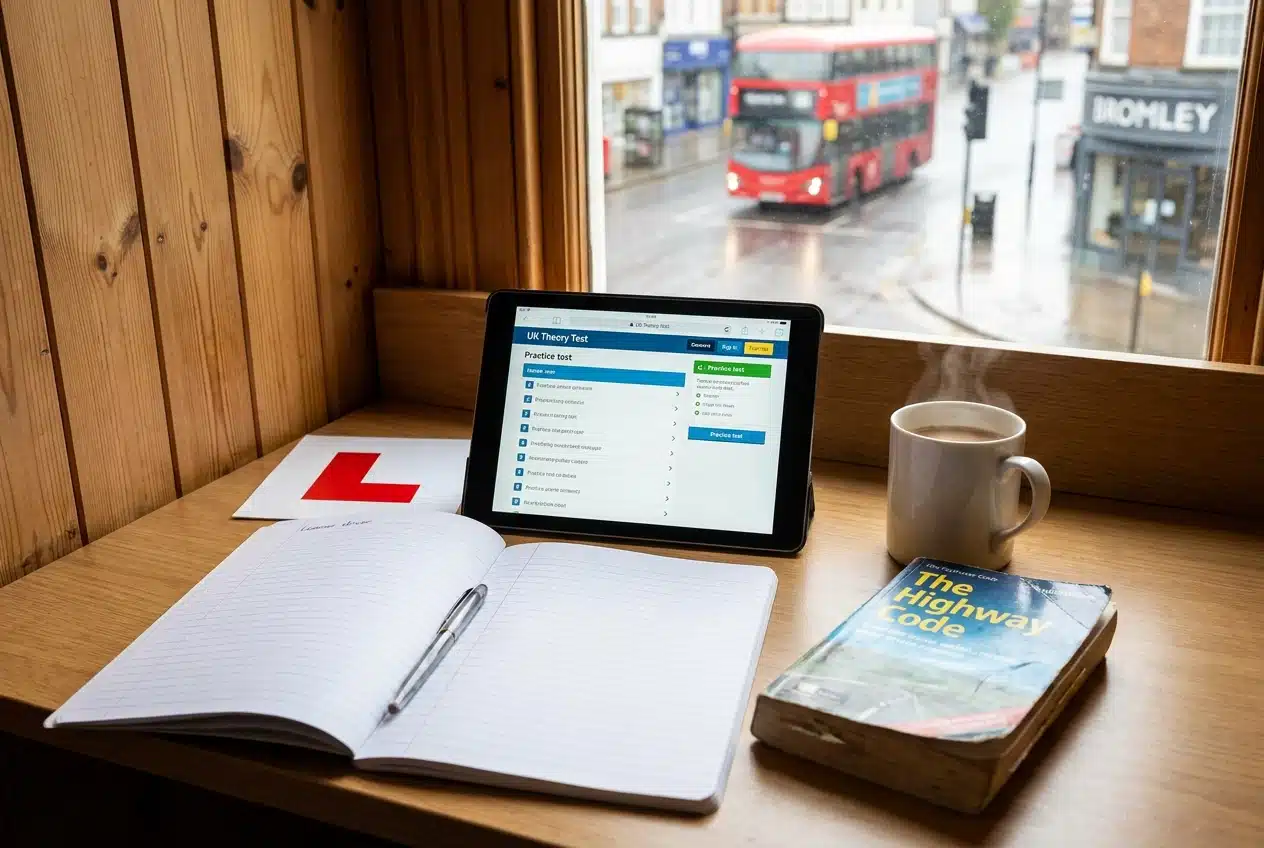
- The Highway Code: If you have access to a copy of The Highway Code, even a quick glance at some common road signs or basic rules of the road can be beneficial.
- Quizzes: There are many free online quizzes that test your knowledge of road signs and basic rules. This can be a fun way to prepare.
- Observation: Pay more attention as a passenger in a car. Notice road signs, how junctions are navigated, and how other drivers behave.
Plan Your Route to the Meeting Point
Reduce any last-minute stress by knowing exactly how to get to where you’re meeting your instructor.
- Check Travel Time: Allow ample time to get to your meeting point, factoring in potential traffic or public transport delays.
- Directions Ready: Have directions to the meeting point readily available, whether on your phone or printed out.
- Arrive Early: Aim to arrive 5-10 minutes early. This gives you time to compose yourself, use the restroom if needed, and be ready when your instructor arrives.
Things to Leave at Home
Just as important as knowing what to bring is knowing what to leave behind to minimise distractions.
Mobile Phone (Unless Turned Off/Out of Sight)
While your phone might be a lifeline in everyday life, it’s a major distraction during a driving lesson.
- Turn Off or Silence: Crucially, turn your phone completely off or put it on silent and out of sight in your bag.
- Avoid Checking: Resist the temptation to check notifications during your lesson. Your instructor needs your full attention.
- Emergency Contact: You can always provide your instructor with a different emergency contact number if needed.
Excessive Valuables
It’s generally a good practice to avoid bringing excessive valuables to any sort of lesson or activity where your focus is elsewhere.
- Minimise Risk: Leave expensive jewellery, large amounts of cash, or other non-essential valuables at home to minimise the risk of loss or damage.
- Focus on Driving: Your primary focus should be on learning to drive, not on worrying about your possessions.
Over-Anxiety and Fear
While a certain level of nervousness is natural, try to acknowledge and then let go of excessive anxiety or fear.
- Trust Your Instructor: Remember that your instructor is a trained professional whose primary goal is to teach you safely.
- Take Deep Breaths: If you feel overwhelmed, take a few deep breaths. Your instructor can also offer calming words and strategies.
- Focus on the Present: Try to stay present in the moment and focus on the task at hand rather than dwelling on future fears.
By meticulously preparing with this checklist, both physically and mentally, you’ll be setting yourself up for an incredibly productive and enjoyable first driving lesson. This initial step is an investment in your future independence, so take the time to get it right. Good luck, and happy driving!