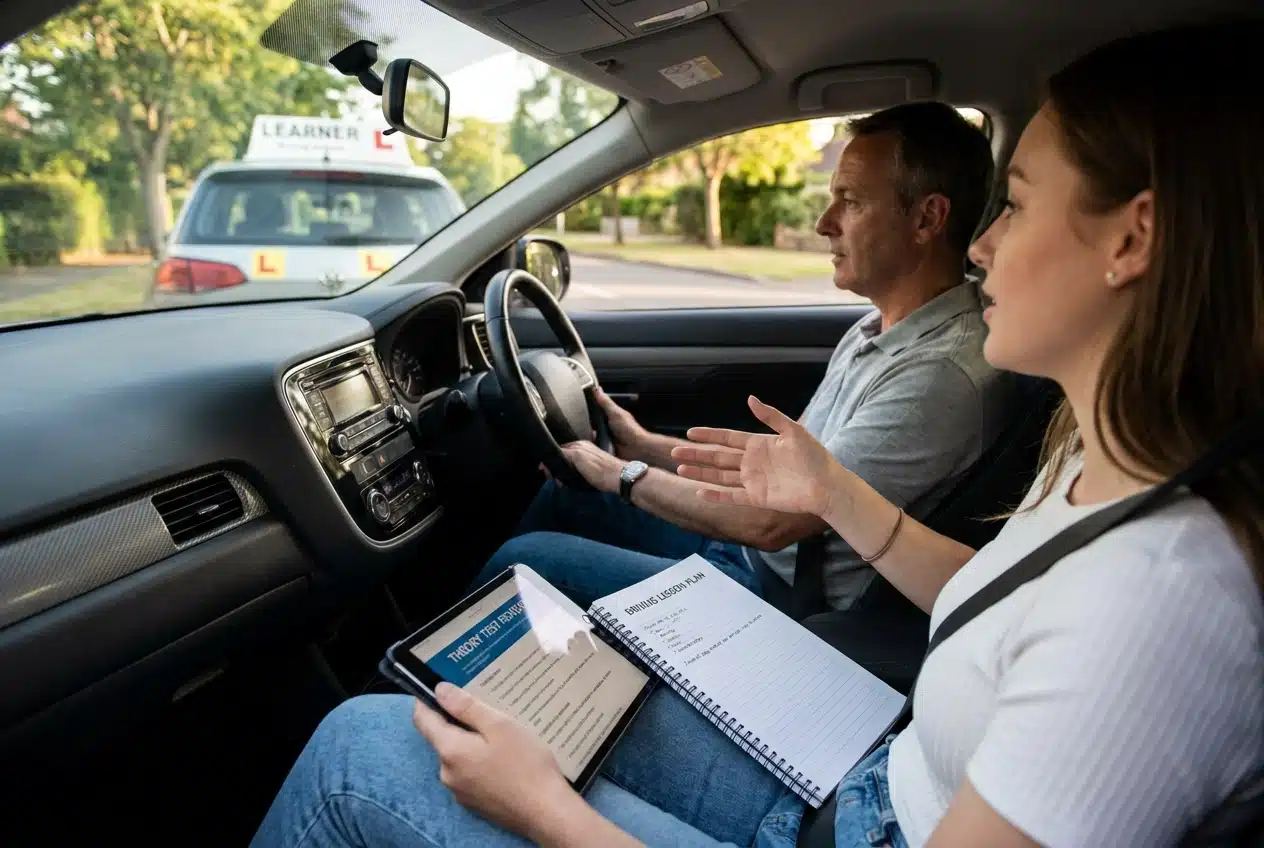
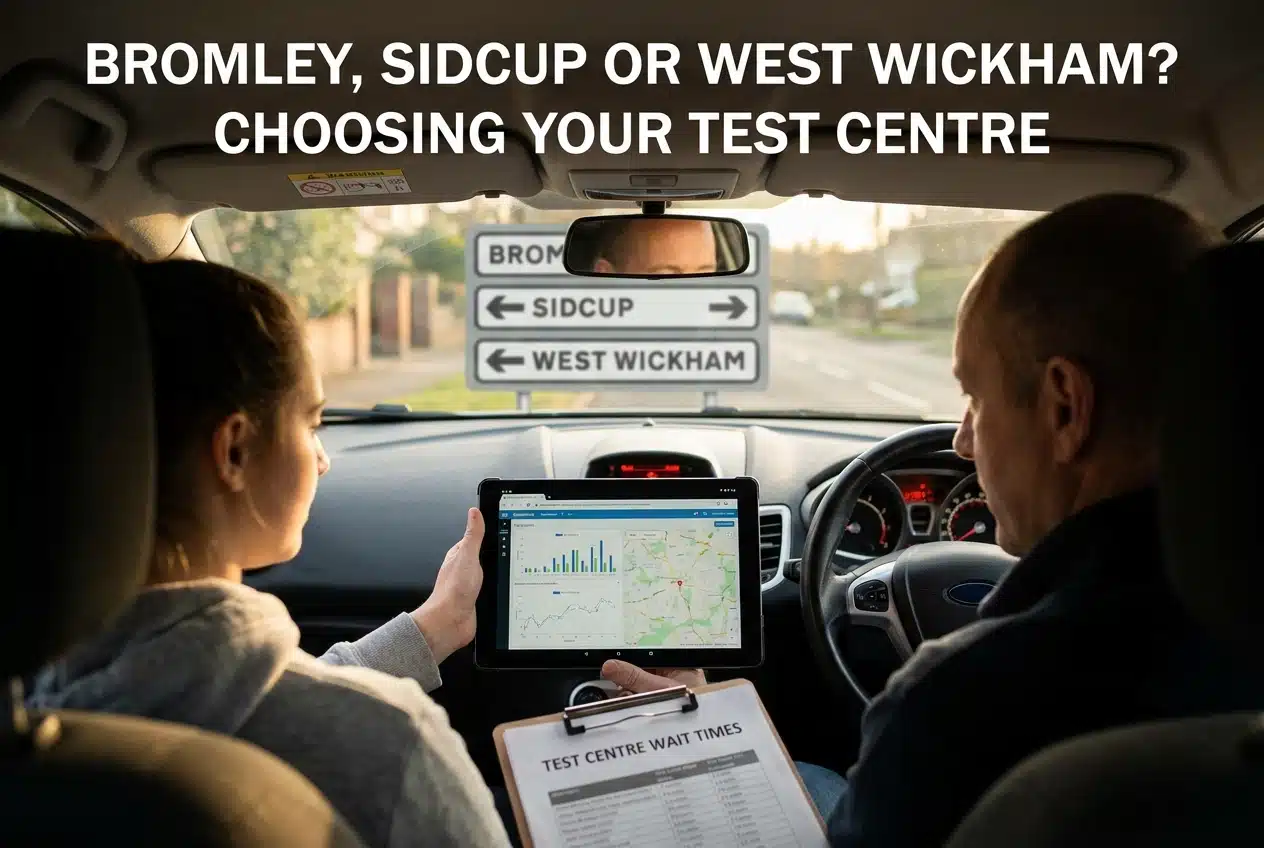
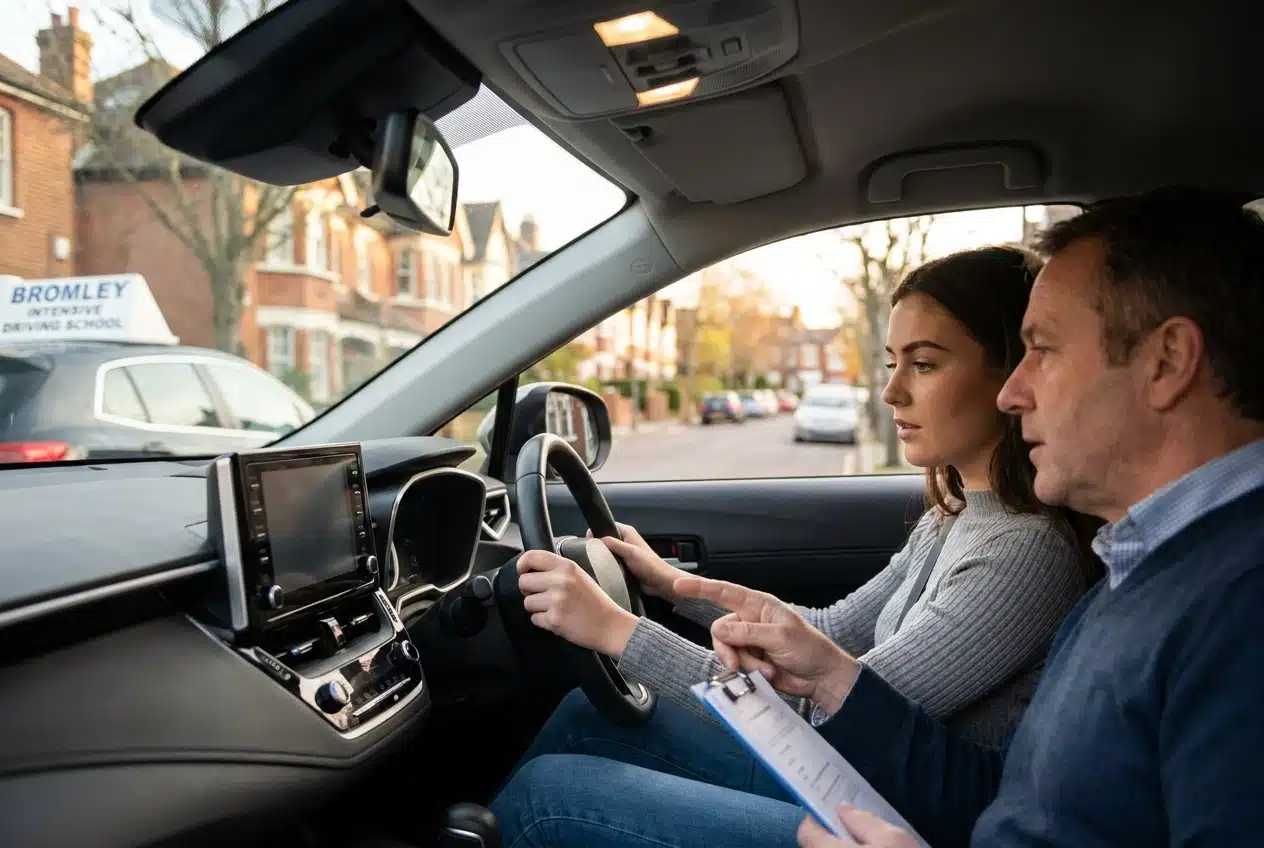
Choosing automatic lessons in Bromley can feel like a budgeting question at first. Should you pay as you go, or put down a block booking and save a little per hour? Here is the twist: your payment plan is also a learning plan. It shapes how often you drive, and how often you drive shapes how quickly you build confidence, muscle memory, and test readiness. So before you compare discounts, it helps to see the bigger picture.
This post compares block booking and pay as you go automatic lessons on the things that actually matter: cost per hour, momentum, cancellation flexibility, and how each fits around the 24-week test booking cycle. We will also look at test-date planning, a side by side comparison, and how to decide which option suits your week. If life is unpredictable or you want to test an instructor first, that changes things. If you can commit to a regular slot, so does that. Let us get the right plan for you.
Why Your Payment Plan Is Really a Learning Decision
Payment structure decides how often you sit behind the wheel. Lesson frequency decides how much you retain between sessions. What you retain decides how many lessons you need before you reach test standard. That chain starts with a plan.
Two learners paying an identical hourly rate can finish weeks apart. One drives twice a week, the other twice a month. The cheaper plan is not automatically the cheaper outcome.
Automatic lessons sharpen this effect. With no clutch and gear coordination to re-learn each time, progress in an automatic car is almost entirely a function of consistent wheel time.
So reframe the question. Not “which plan costs less per hour”, but “which plan gets me test-ready sooner at the lowest total spend”. Our guide to how much driving lessons cost in Bromley and South East London breaks down where that money actually goes.
This applies to every Bromley driving lessons enquiry, whether you are 17 and starting from scratch or an adult returning to driving after years away.
The rest of this article compares block booking and pay-as-you-go on four things that genuinely change your timeline: cost per hour, momentum, cancellation flexibility and test-date planning.
Cost Per Hour: What the Block Discount Actually Saves You
Block booking is a straightforward trade: you commit to a set number of hours up front and the hourly rate comes down. That saving is real, but only if you use the hours you paid for. So do the maths on total spend, not on the headline discount.
Say ten hours at a block rate cost less per hour than ten bought one at a time. That gap is your real saving. But if you only use seven of the ten, those three unused hours were money spent and never driven. That is where a block discount quietly stops being one. So ask the boring questions before you pay: does the remaining balance roll forward, expire, or transfer to another learner? EL’s published Block Bookings: How Much Can You Save? sets out the block rate, the pay-as-you-go rate and the minimum block size, so you can check the figures rather than guess.
Pay as you go works the other way. The hourly rate stays higher, but nothing sits unused in an account. If your free time moves around month to month, that is often the better deal.
Finally, check test day car hire and use of the school car for the practical test. Ask whether these sit inside a block or are priced separately. Either way, the bill lands at the end of your learning, not the start, so build it into your total now.
Momentum: Why Lesson Frequency Beats the Discount
The discount only pays off if you turn up often enough to use it, and that is the momentum question. It matters more than the rate.
Mirror and blind spot checks, junction judgement and lane discipline are perishable. Spacing between practice sessions is a recognised variable in motor skill learning, and instructors see it play out weekly: learners lose sharpness in the gaps, not in the lessons. Take a fortnight off and the next session can vanish into recapping roundabouts you already knew. Illustratively, that lost hour of progress tends to cost more than the block discount saved.
Block booking changes the default. Your lesson becomes a standing appointment, so turning up is the baseline and cancelling is the conscious act. Pay as you go hands that decision to future you every single week. That freedom is essential for some learners; for others it quietly turns a three month run into six.
Be honest about your week before you commit. Shift work, exam periods, childcare or a long commute can make a rigid weekly slot unrealistic, and a learner who cannot hold the rhythm ends up wasting block hours. If you want a realistic sense of the runway, our guide to how many automatic driving lessons you need to pass in Bromley sets out the range.
Consistency matters most in the final few weeks, when mock routes, independent driving and manoeuvre practice need to run back to back rather than in scattered bursts.
Cancellation Flexibility: Terms, Refunds and Life Getting in the Way
Life doesn’t always respect your lesson diary, so know exactly what flexibility you’re buying.
Start with the rule that surprises people: you must book, change or cancel your own car driving test. Your instructor cannot do it for you, and booking a test on someone else’s behalf is illegal. You can change it right up to the time it starts, though 2026 rules cap car tests at two changes, and a refund needs 10 full working days’ notice. That makes your test date your responsibility, so your payment plan shouldn’t make it harder to react when something shifts. Our step-by-step guide to changing your practical driving test date walks through it.
For block bookings, ask three questions: what notice do I give to reschedule, do missed slots roll over inside the block, and do unused hours expire?
Pay as you go has no notice period and no rollover headache, but no guaranteed slot either when a busy instructor’s diary is full at short notice.
Then clarify late cancellation by you versus cancellation by the school: what you’re charged, and how quickly a replacement slot appears.
Finally, ask how quickly they can fit you in if your test moves forward unexpectedly. That single answer often decides which plan is right for you.
Test-Date Planning: Fitting Your Rhythm Around the 24 Week Booking Cycle
Your payment plan decides how easily you can move with your test date, so here is how the booking calendar works.
New car test appointments are released 24 weeks in advance, at 6am every Monday, and the booking service runs from 6am to 11:40pm. Earlier cancellation appointments appear at any time whenever another learner cancels. There is no waiting list and no cancellation list, so you either see the slot or you do not. Eligibility matters too: you must have lived in England, Wales or Scotland for at least 185 days in the 12 months before your test day.
Count your runway. Twenty-four weeks is 48 lessons at two a week, but only 12 at one a fortnight.
That is why short notice cancellations favour the learner already in a locked weekly rhythm. They can take an earlier test without scrambling to arrange last minute lessons or extra hours.
One caveat: the headline DVSA waiting figure does not always match what learners experience. The National Audit Office has confirmed the official measure does not reflect real booking to test waits. From June 2026, the DVSA publishes additional monthly data at individual test centre level, including median booking to test waiting time. That is a better guide for planning around Bromley than the headline number alone, and pairs well with our look at driving test centre pass rates for Bromley learners.
Side by Side: Block Booking vs Pay As You Go Automatic Lessons
So you have your booking window. The plan you pay with decides whether you can hold it.
| Block booking | Pay as you go | |
|---|---|---|
| Cost per hour | Lower rate, quoted on our current price list | Higher standard hourly rate |
| Minimum commitment | A set block of hours, paid upfront | One lesson at a time |
| Lesson frequency | Standing weekly slot | You book each one |
| Cancellation | Notice period applies; check rollover and expiry | No notice period, but no guaranteed slot |
| Risk | Unused hours if life changes | Slower, less predictable timeline |
| Best for | Committed learners protecting momentum | Irregular weeks, or testing an instructor first |
Figures checked with EL at the time of writing.
How to read this: take the hourly column last. Total spend and weeks to test standard pick the winner. The risk row is the honest one: block booking’s real risk is unused hours, pay as you go’s is a slower, less predictable timeline.
Each row is a question to ask any Bromley driving lessons provider before you pay.
Close to test? See whether a mock test or extra lessons before your Bromley driving test beats more hours.
Which One Fits You?
Start with your diary, not your budget. Block booking makes sense if you can hold the same weekly slot, want the lowest hourly rate available, already have a rough test date in mind, and prefer a structured finish line to your learning. It also protects the final month before your test, when a broken rhythm is at its most expensive.
Pay as you go fits irregular working hours, week by week funding, or wanting to test an instructor before committing. If you have never driven an automatic, a few sessions will confirm it suits you before you buy hours in bulk. It is also worth reading how to choose a driving instructor in Bromley before paying anything, whichever plan you pick.
Still unsure? Take the hybrid route: start pay as you go, then move onto a block once the rhythm holds and your instructor agrees you are progressing at a predictable pace.
FAQs About Automatic Lesson Payment Plans in Bromley
What’s the minimum block I can book?
Blocks are flexible rather than fixed. The minimum is confirmed at booking, and you can start small to test the water.
Do unused hours expire or transfer?
Expiry terms sit on your booking confirmation, so read them before paying. Hours are for your use and don’t transfer to another learner.
Does a block discount cover test day car hire?
No. The practical test fee is paid separately when you book, and using the school car on test day is charged on top of lesson blocks. Mock tests may be included or priced separately, so ask. See booking and attending the test in Bromley.
Can my instructor book or move my test?
No. You must book, change or cancel your own car driving test, and booking for someone else is illegal. Your instructor can only check availability with their ADI number.
How far ahead should I book lessons before my test?
Book ahead. New test appointments are released 24 weeks out at 6am every Monday. Allow eight to twelve weeks of consistent lessons between test ready and passing.
The Plan That Fits Your Week Wins

So, given all of that, which one should you actually pick? Neither is better in the abstract. Each answers a different question about your week.
If you can hold the same slot every week, block booking wins twice over: a lower hourly rate and a rhythm that keeps your automatic skills sharp. It also leaves you ready to take a short notice test cancellation without scrambling for last minute lessons.
If your shifts, studies or childcare move around, pay as you go keeps your money working. You pay only for hours you actually drive, and you can confirm the instructor and the automatic car suit you before committing to a bulk purchase.
Whichever way you lean, do three things before paying anything:
- Confirm the total spend for the hours you expect to need, not just the headline rate.
- Read the cancellation and expiry terms.
- Ask how many weeks typically sit between starting lessons and being test ready.
Then check availability for automatic lessons in Bromley and lock in a rhythm you can genuinely keep.
Conclusion
The right automatic lesson plan in Bromley is not simply the cheapest headline rate. It is the one that protects your momentum, matches your budget, and survives real life. Block booking rewards a steady weekly slot with a lower hourly rate and faster skill retention. Pay as you go keeps your money flexible when shifts, studies, or childcare change. Either way, plan around the 24-week test booking cycle and allow eight to twelve weeks of consistent practice before test day. Before you pay, confirm the total cost, cancellation terms, expiry rules, and typical time to test readiness. Then check automatic lesson availability in Bromley and book the rhythm you can actually keep. Your pass is built one reliable lesson at a time, so choose the plan that keeps you moving.