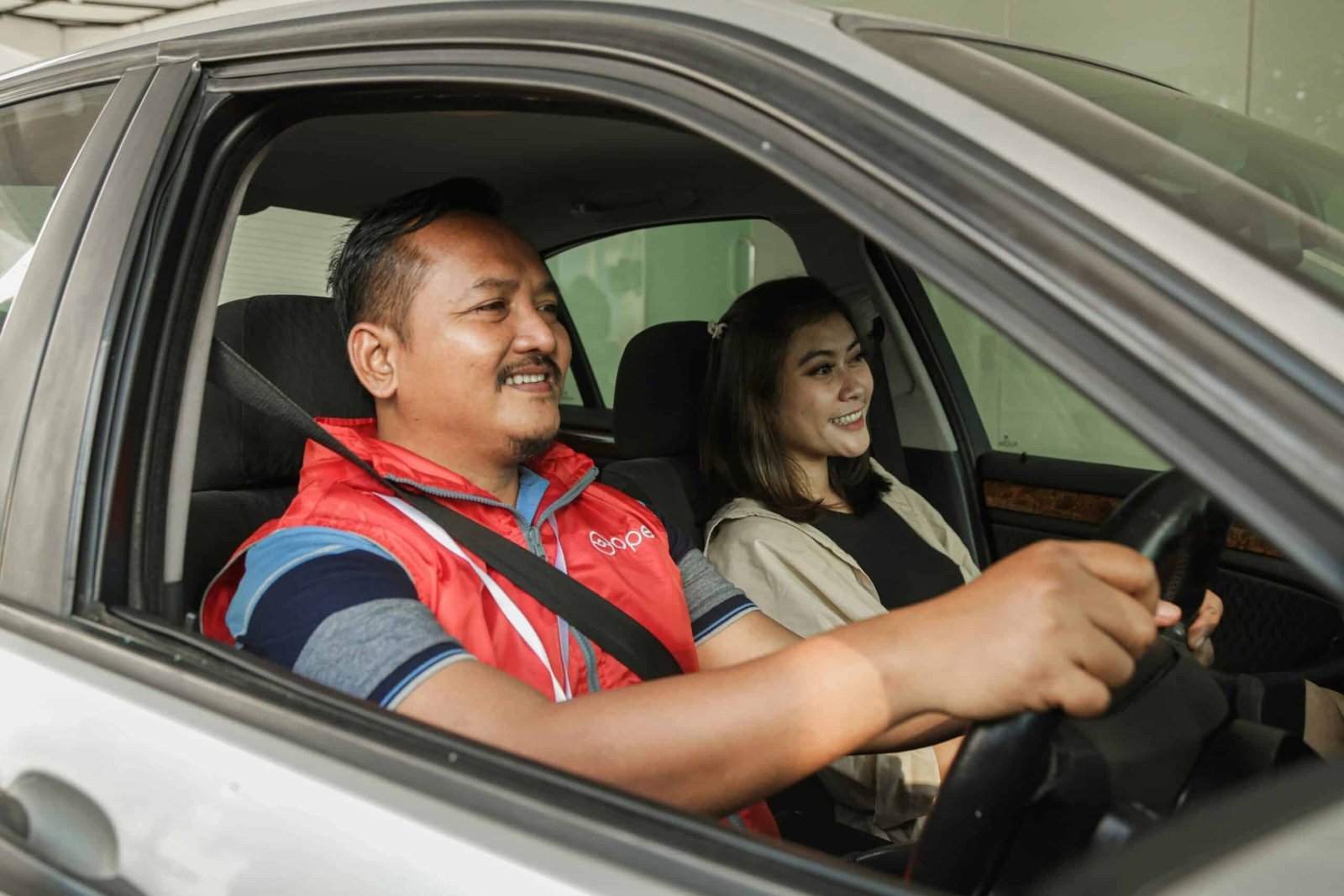
Clutch or no clutch? If you’re a learner in Bromley weighing up automatic versus manual, that one question probably keeps circling back. Choosing driving lessons in an automatic car sounds simpler, and in some ways it is, but it also changes the licence you end up with and what you’re allowed to drive afterwards. This post isn’t here to push you one way or the other. Instead, it walks through the honest trade-offs so you can decide with your eyes open.
We’ll start with the licence itself, because an automatic test gives you a Category B Auto licence that restricts you to automatic vehicles. Then we’ll look at whether an automatic genuinely gets you to test standard faster, what pass rates and test waiting times really tell you, and what automatic lessons cost in Bromley. From there, we’ll cover your first car: choice, running costs and resale. Finally, you’ll get a six-question decision framework and a short answer for 2026 Bromley learners.
Start With the Licence, Not the Lessons
Before you compare lesson prices or book a single hour, get the licence rules straight. In Great Britain, if you pass your practical test in an automatic car, you get a Category B Auto licence. The DVSA, the Driver and Vehicle Standards Agency, runs driving tests, and Category B Auto is the car licence you hold if you never use a clutch on test.
That licence lets you drive automatic cars only. If you expect to drive other people’s cars, including manuals, that is worth factoring in. The asymmetry matters: a manual pass covers both transmissions; an automatic pass covers automatics alone.
These rules apply to Great Britain: England, Scotland and Wales. Northern Ireland issues its own licences, so do not assume the same categories apply there.
Your automatic licence can also carry restriction codes printed on it. Before you quote any code, check the live GOV.UK or Driving Mobility restriction-codes page, because wording varies and codes can relate to vehicle adaptations.
That is the spine of the whole decision. The transmission you learn in sets the ceiling on every car you drive until you re-test. So this choice belongs before your first booking, not after ten paid hours. If you want the fuller picture on automatic lessons, Automatic Driving Lessons in London: Everything to Know Before You Book covers what to ask next.
Does an Automatic Get You to Test Standard Faster?
Speed to test standard is the next question, and the honest answer starts with what the gearbox removes.
What an Automatic Genuinely Removes
Clutch control, gear selection, hill starts with a biting point and most stalling. For a nervous beginner, those faults quietly eat lesson time: fifteen minutes here, a stalled junction there. Sue Howe, a Swindon driving instructor, told the BBC automatics “make the test easier” because “there’s just a lot less to do”, and that nerves can cause learners to stall. That is instructor opinion, not measured data.
What It Does Not Remove
Observation, mirror work, junction judgement, positioning, meeting traffic, independent driving and manoeuvring are still the bulk of the test. The saving is a slice, not the syllabus. If you are weighing up automatic car driving lessons, our guide to how many automatic driving lessons you need in Bromley covers where the rest of the hours go.
The Trend, and the Honest Gap
Automatic tests rose from 87,844 (6% of all tests) in 2012/13 to 479,556 (26%) in 2024/25. Forecasts point to that share rising further, but predictions differ on how far and how fast, so treat them as forecasts, not results. Check the DVSA’s driving test data for the underlying figures, and our breakdown of driving test pass rates for what they mean locally.
No reliable source establishes how many hours an automatic saves one learner. Treat the saving as a reasonable hypothesis, not a promise, and ask Bromley schools directly for their average hours-to-test-standard, split by transmission.
What Pass Rates and Test Waiting Times Really Tell You
Automatic pass rates were slightly lower than manual last year, but the gap has narrowed since 2012, so “automatic equals easier pass” is not what the figures show. A pass rate describes a population, not one learner in Bromley, and it cannot predict your result. The defensible case for automatic is hours saved on clutch faults, not a forecast pass. Our driving test centre pass rates breakdown explains why the national one-in-two figure is a poor personal forecast.
For test timing, skip the remembered national average. The DVSA’s driving test and theory test data (cars) dataset publishes monthly car test waiting times by test centre and region, including the share of tests waiting over 21 weeks. That band is the honest indicator of local congestion, and the headline figure is not an average wait at all but the point at which 10% of weekly slots are still available (DVSA explains the measure here).
A rising automatic share of tests suggests more automatic capacity, but slots vary by school and centre. Ask Bromley schools how far ahead automatic car driving lessons and test-ready bookings run before you commit to a test date.
One last sanity check: men went from 23% of automatic learners in 2012/13 to 39% in the latest year reported. Automatic is mainstream, not a niche shortcut.
None of that tells you what automatic lessons actually cost locally, which is the next question worth answering.
What Do Automatic Car Driving Lessons Cost in Bromley?
Statistics tell you about populations, not prices. No public source publishes automatic lesson rates for Bromley, so treat any figure you see as that school’s own number, not a market rate. Before you pay a deposit, ask for the hourly rate, block-booking terms and test-day charges in writing.
Then do the maths that actually matters. Cost is rate multiplied by hours, not rate on its own. A higher automatic hourly rate is only a bad deal if it doesn’t come with fewer hours to test standard, so compare total expected spend. Ask each school for its typical hours-to-test figures, and check our Frequently Asked Questions, Driving Lesson Costs in Bromley for how those costs break down locally.
Next, ask what car you’d actually learn in. A conventional automatic, or an electric vehicle? EVs have no manual gearbox, and the AA says they are driving demand for automatic learning, though regenerative braking, charging habits and different controls are extra things to learn.
Practical details change the effective price too: lesson length (60 minutes, 90 minutes or two-hour slots), dual controls, insurance cover, whether the instructor collects you, and whether unused block hours are refundable.
As context, EL’s Driving School is one of the local options. Price it against other schools rather than treating it as the default. Next, what an automatic licence means for your first car.
Your First Car: Choice, Running Costs and Resale
The lesson costs you compared earlier carry straight onto the forecourt. An automatic licence follows you to the car you buy: pass in an automatic and you can only buy, insure and drive automatics. If a cheap manual hatchback or a work van sits in your five-year plan, that door stays shut until you re-test.
The stale advice that automatics are scarce and pricey second-hand no longer holds. Electrics have no manual gearbox, so every electric sold adds to the automatic pool, and SMMT’s electric vehicle registration data is the place to check the current split. Used supply has widened, but prices still swing hugely by model, age and mileage.
Be clear on one thing: resale data was not verified for this piece. Rather than assume a manual or automatic holds value better, compare live listings for the exact models you want.
On running costs, do not assume a fuel type wins: compare running costs and upfront prices for the specific models on your shortlist. That matters most if an electric automatic is the long-term plan. Policy points the same way: the planned ban on new petrol and diesel sales suggests automatic-only showrooms eventually, with Labour pledging to restore the 2030 date after the previous government moved it to 2035, as set out in the government’s phasing-out announcement. All of that changes future supply, not what is sitting on a Bromley forecourt today.
Still deciding who to learn with? Our guide to how to choose a driving instructor in Bromley covers what actually matters before you book.

A Decision Framework: Six Questions to Answer Before You Book
Answer these six questions honestly and the transmission usually picks itself.
- What will you drive in the next five years? Your own car only, a company vehicle, or cars you borrow or hire now and then? If you might need to borrow or hire a manual car, or want to own one, that pushes you toward a manual test.
- What is your realistic total budget for lessons and tests? Compare total expected spend, as above.
- How do you cope with clutch and stalling pressure? If hill starts tie your stomach in knots, or a physical or medical reason makes a clutch harder, automatic is a legitimate answer. Instructor commentary links nerves to stalling; treat that as opinion, but the pressure is real.
- What car can you actually afford to buy and insure? Get insurance quotes for both transmissions on the same model before you decide.
- Do you need the licence to be portable? Check whether an automatic licence would cover the work, travel or borrowing you expect to do.
- If you choose automatic now, are you comfortable sitting another practical test in a manual if you change your mind? Decide with that cost on the table, not discovered after you have paid for twenty lessons.
Settle these and the lesson decision becomes practical rather than theoretical. It also shapes your preparation order, since booking your lessons before your theory test can boost your pass rate. Transmission first, diary second.
The Short Answer for 2026 Bromley Learners
Here it is, straight, with no hedge.
Choose automatic if your life is automatic-shaped: the car you plan to buy is an automatic or EV, your work and travel do not depend on a manual, and you would rather spend lesson hours on junctions than clutch control.
Choose manual if you might need to borrow or hire a manual car, drive a van for work, or pick up a cheap first manual. You pay the clutch-learning cost once and keep every door open.
Either way, three jobs this week:
- Write down what you will genuinely drive over the next five years.
- Ask two or three Bromley schools for written hourly rates and their expected hours to test standard.
- Confirm the licence scope rules on GOV.UK before you commit to a transmission. Our local guide to theory test centres for Bromley learners is a useful next stop once that decision is made.
No verdict from us. Eyes open beats second-guessing at hour ten.
Conclusion
The choice between automatic and manual lessons in Bromley is not about which is better in theory. It is about which licence fits your real life. Automatic lessons can simplify learning if your car will be automatic or electric, while manual keeps more options open at the cost of clutch control. Pass rates, waiting times, hourly rates, first-car costs and resale all matter, so use the six-question framework before you book. Then take one practical step: confirm the licence rules on GOV.UK and visit our local guide to theory test centres to plan your theory test alongside lessons. Decide with clear costs and clear goals, not guesswork. Your licence should open the doors you actually need.