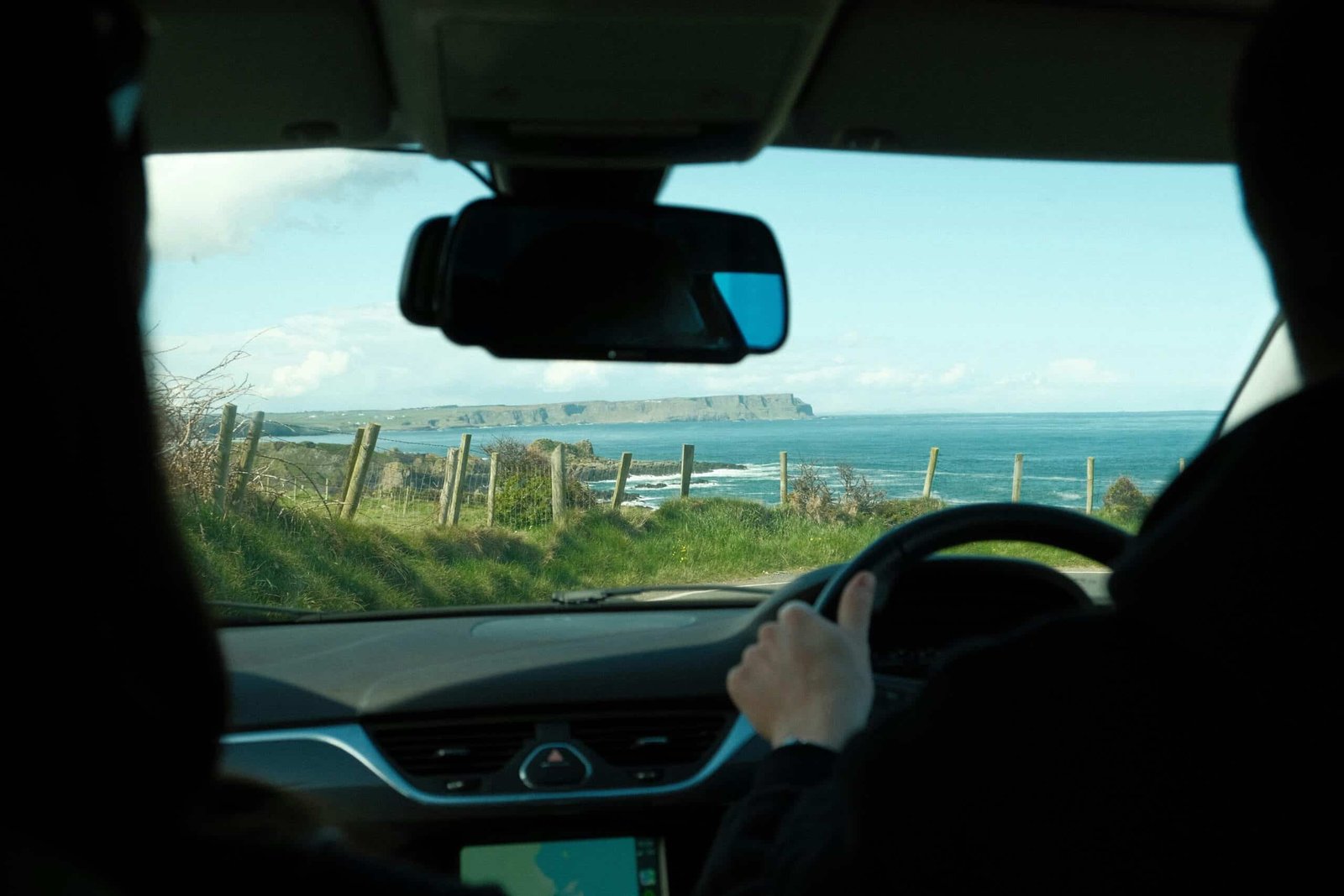
Think automatic driving lessons are just for people who can’t handle a clutch? That’s a common assumption, and it’s rarely the full story. Choosing between manual and automatic isn’t about ability. It’s about matching your circumstances to the right car, and for many Bromley learners, automatic is the smarter, better-value route.
In this guide to driving lessons for automatic, we’ll break down who they actually suit. You’ll meet four learner profiles: the anxious beginner who stalls under pressure, the older returner, the busy professional, and the learner who only needs a non-manual licence. We’ll explain what automatic tuition genuinely removes (clutch and gear coordination) and what it doesn’t (observation, junctions and positioning). You’ll also get the Category B Auto licence limit in plain English, tips on matching transmission to your situation in Bromley, and a look at test preparation at EL’s Driving School.
By the end, you’ll be ready to choose transmission on purpose, not by default.
Why Transmission Choice Matters More Than It Did a Decade Ago
Automatic lessons are not a fallback for learners who cannot handle a clutch. They are the better-value route for specific circumstances, and that logic runs throughout.
DVSA figures reported by the BBC show automatic tests rose from 87,844 (6% of tests) in 2012/13 to 479,556 (26%) in 2024/25. That is roughly one in four Great British tests. The BBC also quotes 470,000 elsewhere; trust the DVSA figure. An AA forecast puts automatics at about 29% in 2025/26, a projection rather than a published DVSA number.
EVs need no manual gearbox, and the petrol and diesel new-car sales ban, delayed to 2035 with the government pledging a return to 2030, is pushing buyers towards automatics.
Automatic is not the easy option, either. Men went from 23% of automatic candidates in 2012/13 to 39% in the latest year reported, and the automatic pass rate was slightly lower than manual last year, though the gap has narrowed since 2012.
The real question is which transmission fits your body, your week, the car you will drive and the licence you need. Whichever you pick, choosing the right driving instructor in Bromley matters.
Profile 1: The Anxious Beginner Who Stalls Under Pressure
Some learners arrive at their first Bromley lesson braced for something to go wrong. They tense up at the wheel, second-guess decisions, or had one rough manual lesson months ago and have put off another ever since. That is a pattern, not a measured category.
Driving instructor Sue Howe has said automatics mean “there’s just a lot less to do”, and that nervous learners in a manual may stall or cut the engine. One instructor’s opinion, not evidence, but it names the moment anxiety spikes: hunting for the bite point, rolling back on a hill start, or searching for a gear as a roundabout arrives.
Automatic removes the clutch and gear coordination that splits attention in slow traffic. It does not remove observation, mirror routine or junction decisions; the freed-up attention goes into those instead. Busy town-centre junctions, the A21 corridor and stop-start traffic near Bromley South are where clutch control eats a beginner’s concentration.
If your last attempt ended in a stall and a shaky drive home, try automatic lessons for nervous drivers before concluding you are “not a natural”.
Profile 2: The Older Returner Coming Back After Years Away
Different learner, same relief. The older returner drove years ago, maybe on a manual licence or one from abroad, and is now coming back with rusty habits, reduced confidence and a nagging fear that the clutch skills are gone for good.
They may well be. Clutch control is usually the first skill to fade without practice, so a returner spends early lessons relearning footwork rather than rebuilding the road judgement they still largely have. An automatic removes that wall: no clutch and no gear lever mean refresher lessons go on current road conditions, updated Highway Code rules and modern road layouts instead.
Less footwork also makes stop-start traffic less tiring on longer drives.
If you previously held a full manual licence, confirm the entitlement it gives you now, because licence categories are listed as separate entitlements and you can check yours online.
The honest counterpoint: if the household car is manual, an automatic course will not prepare you to drive it, so settle which car you will practise in first. Automatic driving lessons in London covers the rest of the decision.
Profile 3: The Busy Professional Squeezing Lessons Into a Full Week
Picture a learner booking one or two lessons a week around a full-time job, with no manual car to practise in between.
Skills fade between lessons when they aren’t repeated, and clutch and gear coordination fades fastest because it’s a physical timing skill. Automatic learners start each session closer to where they left off.
No published DVSA comparison covers lesson hours or cost to test readiness for automatic versus manual learners, so treat this as an editorial judgement rather than fact: progress per lesson is likely stronger, because the whole hour goes on junctions, positioning and observation instead of twenty minutes re-finding the bite point.
Transmission doesn’t create extra hours in the week, though. Pair it with structured preparation: online driving lessons and theory or test prep work, which EL’s Driving School offers. If your diary is genuinely tight, an intensive automatic driving course in Bromley may fit better.
One check catches people out: a current or likely future job involving a manual company van or pool car changes the calculation, and belongs here, not after the test.
Profile 4: The Learner Who Only Ever Needs a Non-Manual Licence
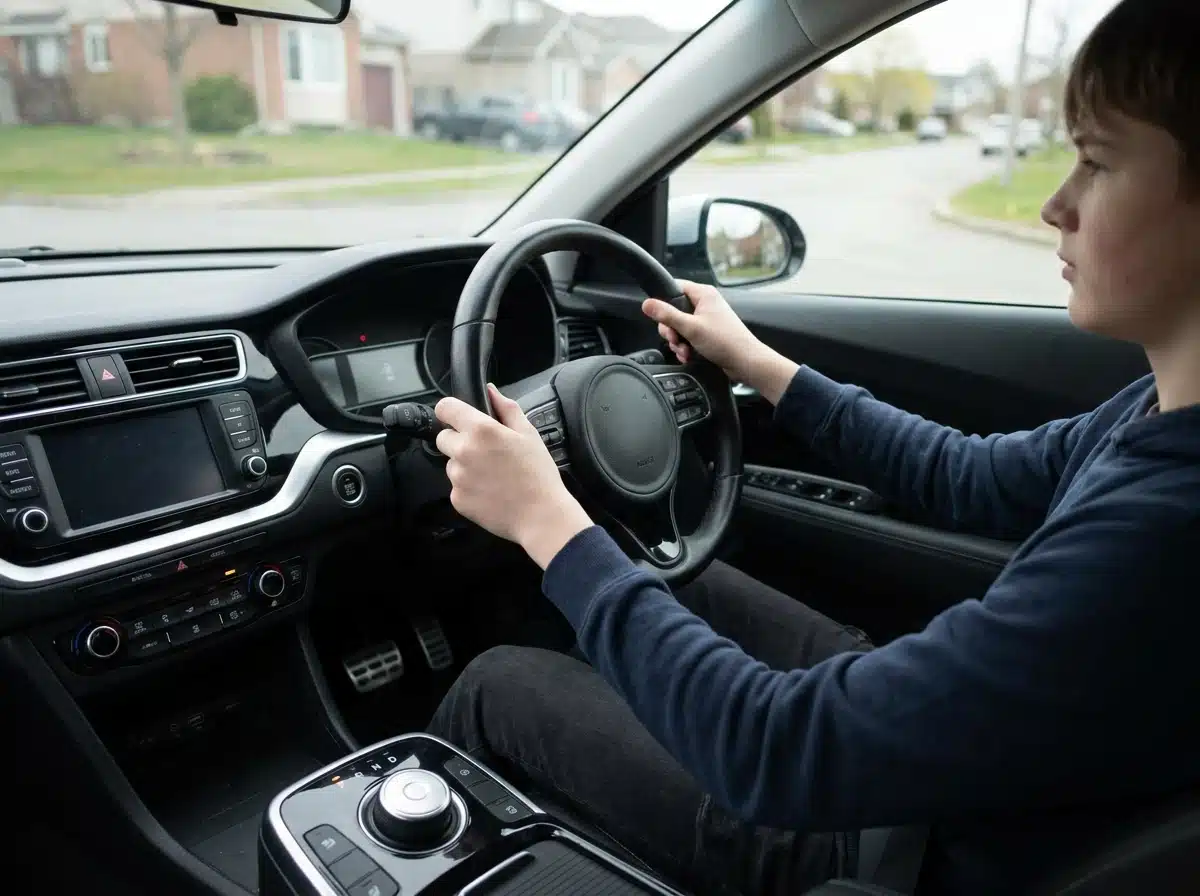
Some learners, though, are not weighing two options at all. They already know the car waiting for them, a family automatic or a first car they have picked out, is automatic. Others are planning ahead to electric, where there is no manual gearbox.
For this profile, the argument is straightforward: why spend lesson hours mastering a clutch and gear lever you will never use? Testing in the type of car you will actually drive makes more sense.
It also sharpens where practice goes. No gear-related faults are possible in an automatic, so the faults that end automatic tests are observation, junctions, positioning and manoeuvring ones. That is where your hours should sit, alongside prep like booking driving lessons before your theory test.
The caveat: automatic means a Category B Auto licence, so this is a long-term decision, not just a course booking. Electric cars are automatic by design, which is why the two shifts are happening together.
If nothing in your next ten years involves a manual vehicle, automatic lessons are likely the right fit. If something might, sort it now rather than after passing.
What Automatic Driving Lessons Actually Remove
Whatever your profile, automatic lessons remove a set list: clutch control and the bite point, stalling, rolling back on hill starts, picking gears by speed, and coordinating clutch and gears in slow, stop-start traffic.
What that frees up is attention. Fewer simultaneous jobs means more spare capacity for reading the road, the reasoning behind one instructor’s view that automatics are “the way forward” and that drivers are “less tired.” It is opinion, not evidence.
Smooth, predictable car behaviour can build confidence faster for learners who previously found the car itself intimidating. See what to expect from your automatic driving lessons for how early lessons tend to run.
The syllabus does not shrink. Manoeuvres, independent driving, show me and tell me questions and the full DVSA test standard all still apply. The statistics reviewed do not show the DVSA assesses automatic candidates differently, so easier applies only to what you physically operate, not the test’s content or marking.
What Automatic Lessons Do Not Remove: Observation, Junctions and Positioning
Automatic removes the clutch and gear lever, and that is the extent of it. Everything the driving test judges still has to be learned from scratch.
Observation means mirrors before signalling and moving, blind spot checks, and looking far enough ahead to plan rather than react. These faults end automatic tests just as they end manual ones.
Junctions are the hard part: emerging from side roads, priority at crossroads, gap selection and roundabout lane discipline. In Bromley, heavy traffic on the A21 and busy town-centre junctions stretches even confident learners.
Positioning and speed control stay your job. Lane discipline, steering through bends and judging approach speed now run on accelerator and brake alone, with no engine braking to help.
You still face parallel and bay parking, pulling up on the right, and following directions or a sat nav without prompting. Our guide to the driving test with an automatic vehicle breaks down what examiners expect.
Automatic lessons remove the coordination problem, not the driving problem. Budget your practice around observation and junctions.
Before You Book: The Category B Auto Licence Limit in Plain English
Here is the rule that decides the long game. Pass your practical in an automatic and you get a Category B Auto licence, covering automatic vehicles only. A full manual entitlement requires passing in a manual car; that is the only route to driving manuals.
Drive a manual on a Category B Auto licence and you are driving otherwise than in accordance with your licence. Not a risk worth carrying to save a few lesson hours.
It bites in ordinary life: a job that hands you a manual van, borrowing a family manual, and some overseas hire fleets where manuals are still common.
The upgrade path is honest but not cheap. Decide later you need manual and you sit another practical test in a manual car. Fixable, not free.
So the deciding question: if there is any realistic chance you will need to drive a manual in the next few years, settle that now and book manual lessons, however well automatic otherwise fits your profile. Booking your theory test early helps either way, and this local guide to Bromley theory test centres walks you through it.
How to Match Transmission to Your Circumstances in Bromley
With the licence limit clear, run this four-question check before booking.
First, which profile fits? Anxious beginner or stalled manual starter: try automatic. Older returner: automatic unless your household car is manual. Time-poor professional: automatic plus structured prep between lessons. Need a non-manual licence: automatic is logical. Second, what car will you actually drive? Third, what licence will you need in the next few years? Fourth, can you practise privately in the same transmission? Private practice in a manual while learning automatic reinforces the wrong habits, so families should settle this before booking.
EL’s Driving School is an independent Bromley driving school, established 2004, serving BR1, BR2, BR3, BR4 and south-east London, and teaching all experience levels.
Neither transmission makes you a lesser driver. Choosing automatic after these four questions is a decision, not a compromise.
Automatic Lessons and Test Preparation at EL’s Driving School
If the check points to automatic, the next step is matching instructor and car to that choice from lesson one. EL’s Driving School provides premium automatic driving lessons, online driving lessons and practical test preparation resources, and works with learners of all experience levels. Based in Bromley and established in 2004, the school serves Bromley (BR1 and BR2, BR3, BR4) and south-east London communities.
Online lessons and test preparation resources matter most to busy professionals and older returners. Preparation between practical lessons is what separates steady progress from repeatedly covering the same ground.
If your circumstances match one of the four profiles, book an automatic lesson. Still weighing manual? Ask directly about the Category B Auto licence implications before you commit.
Your Next Step: Choose Transmission on Purpose, Not by Default
So: automatic driving lessons aren’t the easy option, they’re the better-matched one for anxious beginners, older returners, time-poor professionals and anyone who only needs a non-manual licence.
They remove clutch and gear coordination, and nothing else. Observation, junctions, positioning, manoeuvring and the DVSA test standard all stay, so don’t expect a shortcut.
One fact settles the long game. Passing in an automatic gives you a Category B Auto licence, covering automatic vehicles only. If manual driving is realistically in your future, book manual lessons now.
Otherwise, run the four-question check, confirm which car you’ll actually drive and practise in, then book lessons in that transmission, whether that’s premium automatic driving lessons in Bromley or a manual course.
Match the transmission to your circumstances, and choose it deliberately rather than because someone told you automatic is what nervous drivers do.
Conclusion
Automatic lessons are not the easy route; they are the right match for anxious beginners, older returners, time-poor professionals, and learners who only need a non-manual licence. They remove clutch and gear coordination, but observation, junctions, positioning, manoeuvring, and the DVSA test standard remain. That matters because your choice affects your licence: a Category B Auto covers automatic vehicles only. If manual driving is realistically ahead, book manual lessons now. Otherwise, run the four-question check, confirm the car you will actually drive and practise in, then book that transmission with EL’s Driving School in Bromley. Choose deliberately, prepare between lessons, and make every drive count.