If you are learning to drive in Bromley, the biggest change to your plans may not come from the road but from the calendar. The government has consulted on a minimum learning period between the theory and practical tests, with three or six months proposed. The consultation, which ran from 7 January to 11 May 2026, is now closed, and no outcome has been published. No law has passed. Still, the direction is clear: learners may soon need a steady, costed plan rather than a last-minute sprint. Private practice with a parent or guardian could count alongside paid lessons, so budgeting time and money becomes essential. This guide explains what the proposal actually says, why a longer window changes lesson planning, and what you need in place before you start. You will learn how to book your theory test earlier, split paid lessons and free supervised practice, compare three-month and six-month budgets, plan around test backlogs, navigate Bromley routes from BR1 to BR4, choose automatic or manual, log supervised practice, and decide what to do while the consultation outcome is pending. By the end, you will have clear next steps as a Bromley learner.
What the Minimum Learning Period Proposal Actually Says
The Department for Transport (DfT) consultation, Introducing a minimum learning period for learner drivers, opened on 7 January 2026 and closed on 11 May 2026. GOV.UK now lists it as closed and confirms the department is analysing feedback. No outcome has been published.
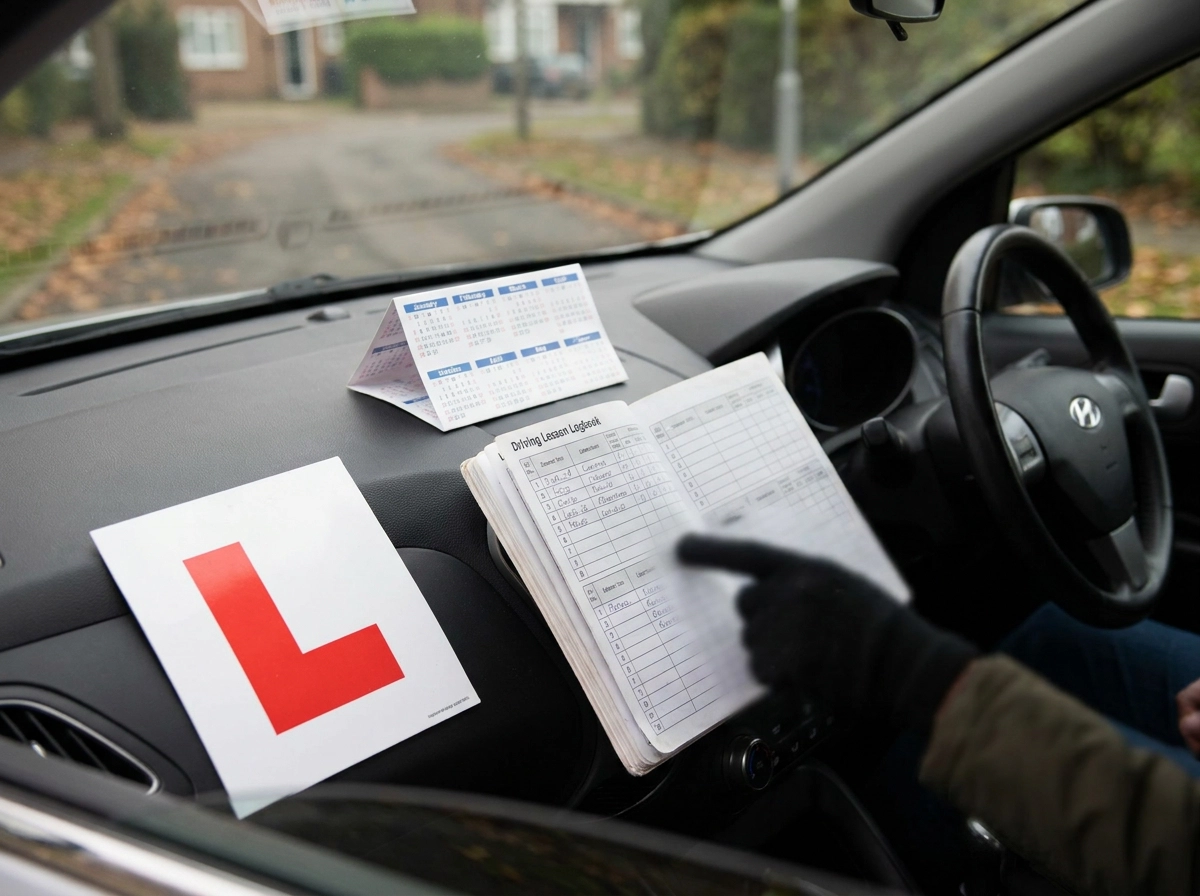
Scope is limited to category B car licences. Motorcycle, lorry and bus licensing would be unaffected.
Two options were consulted on: a three month or a six month minimum period between passing the theory test and taking the practical test. Informal practice with a parent or guardian would count towards that period alongside paid instructor lessons.
Nothing has changed yet. Under current rules, you can apply for a practical test as soon as you hold a provisional licence and have passed the theory test. Keep planning against the rules as they stand today, whether you are weighing up automatic driving lessons in London or manual tuition.
Why a Longer Window Turns Lesson Planning Into a Budgeting Exercise
The DfT’s stated reason for a minimum learning period is simple: without enough time driving, learners meet situations and conditions they have no experience with. Evidence in the wider road safety strategy suggests this could cut collisions by up to 32%, drawing on graduated licensing outcomes in other countries.
The stakes explain the attention. A fifth of all deaths or serious injuries from crashes in 2024 involved a young car driver, and roughly 55% of practical tests in 2024-25 were taken by drivers aged 17 to 24. Since lessons can start at 17, a six-month rule could mean the youngest learners test at 17 and a half or later.
That is what turns planning into budgeting. The same total hours, spread across a longer window, cost less per week, which matters enormously to the family funding lessons, and it aligns with the official recommendation on how many hours learners typically need as a target rather than a sprint. As already noted, informal practice counts alongside paid lessons. Treat the window as a budget line, not a deadline.
Before You Plan: What Needs to Be in Place
Five things must be in place before you build a longer, costed plan.
- Provisional licence. You can apply for a provisional licence from age 15 years and 9 months. You cannot drive on public roads without one.
- Theory test. Pass it early. GOV.UK confirms you can book the practical test once you hold a provisional licence and have passed theory. The certificate is valid for two years from the pass date, so diary the expiry.
- Supervising driver. For private practice they must meet DVSA’s eligibility requirements for supervising drivers, check GOV.UK for the current rules.
- Budget and log. Set a realistic figure for paid lessons and pick one simple way to record practice hours: a shared note, spreadsheet or app. What Do You Need Before Your First Lesson? covers the groundwork.
- Booking mechanics. Theory comes first, then the practical. Slots fill quickly, so pencil in driving test dates early rather than leaving them to the last minute.
Step 1: Book Your Theory Test Earlier Than You Think
Book your theory test as soon as your provisional licence is in hand, ideally before or within a few weeks of your first lesson. Then work backwards: choose a target practical date, subtract the proposed 13 or 26 week minimum learning period, then subtract the weeks you need to prepare. The result is your theory deadline, not a vague intention.
Leave room for a retake. If you fail, you must wait at least three working days before sitting the theory test again, plus rebooking time, so a tight schedule has no slack.
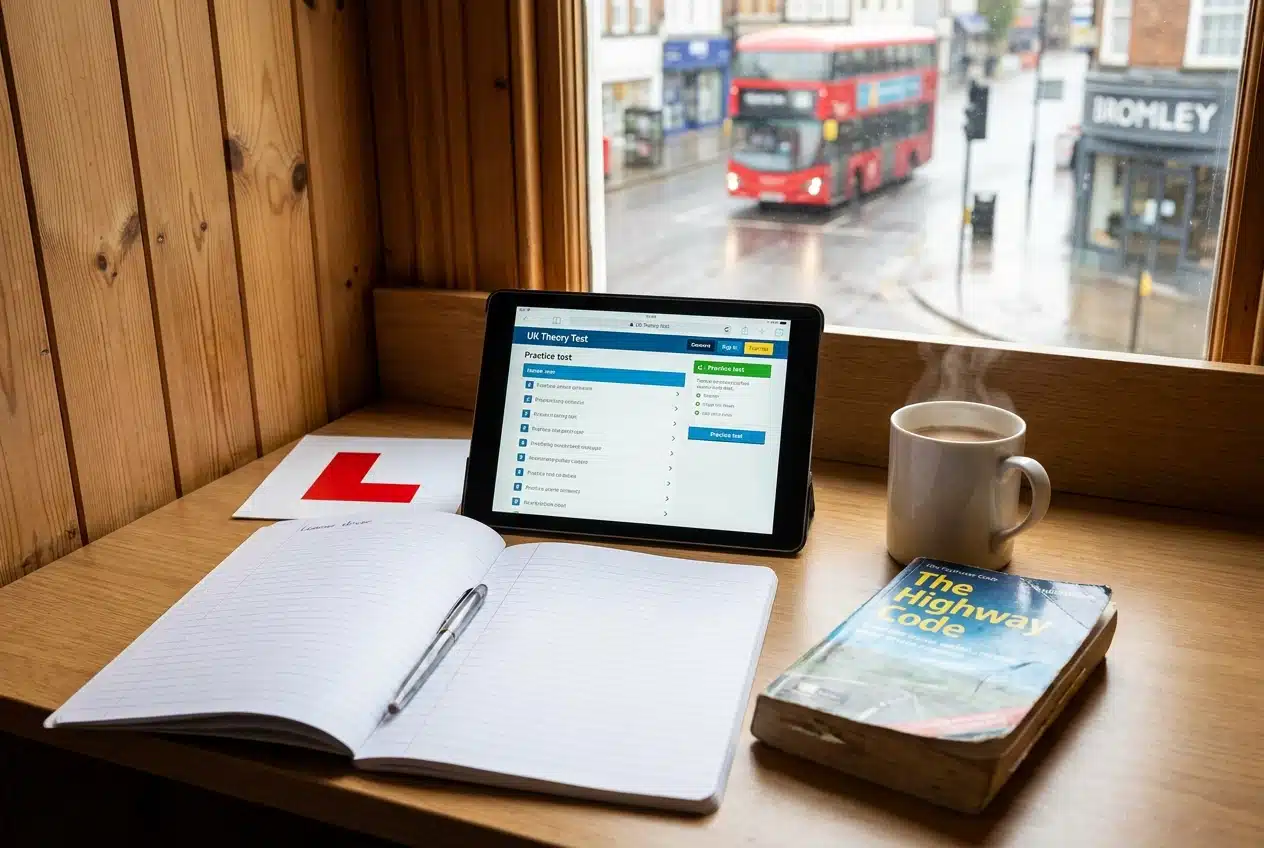
Study the multiple choice and hazard perception sections with online theory resources, which cost far less than instructor hours and fit around school or work. Save paid lessons for the car. Our local guide to driving theory test centres covers where Bromley learners sit the test and what to expect.
Diary your certificate expiry the day you pass. It lasts two years. Stretch the window to six months and an expiring certificate is a common way a plan collapses.
Step 2: Split the Window Between Paid Lessons and Free Supervised Practice
With theory booked and the certificate expiry diarised, the next job is dividing the window between what you pay for and what you practise free. Under the proposal, every logged supervised hour is an hour you do not pay for.
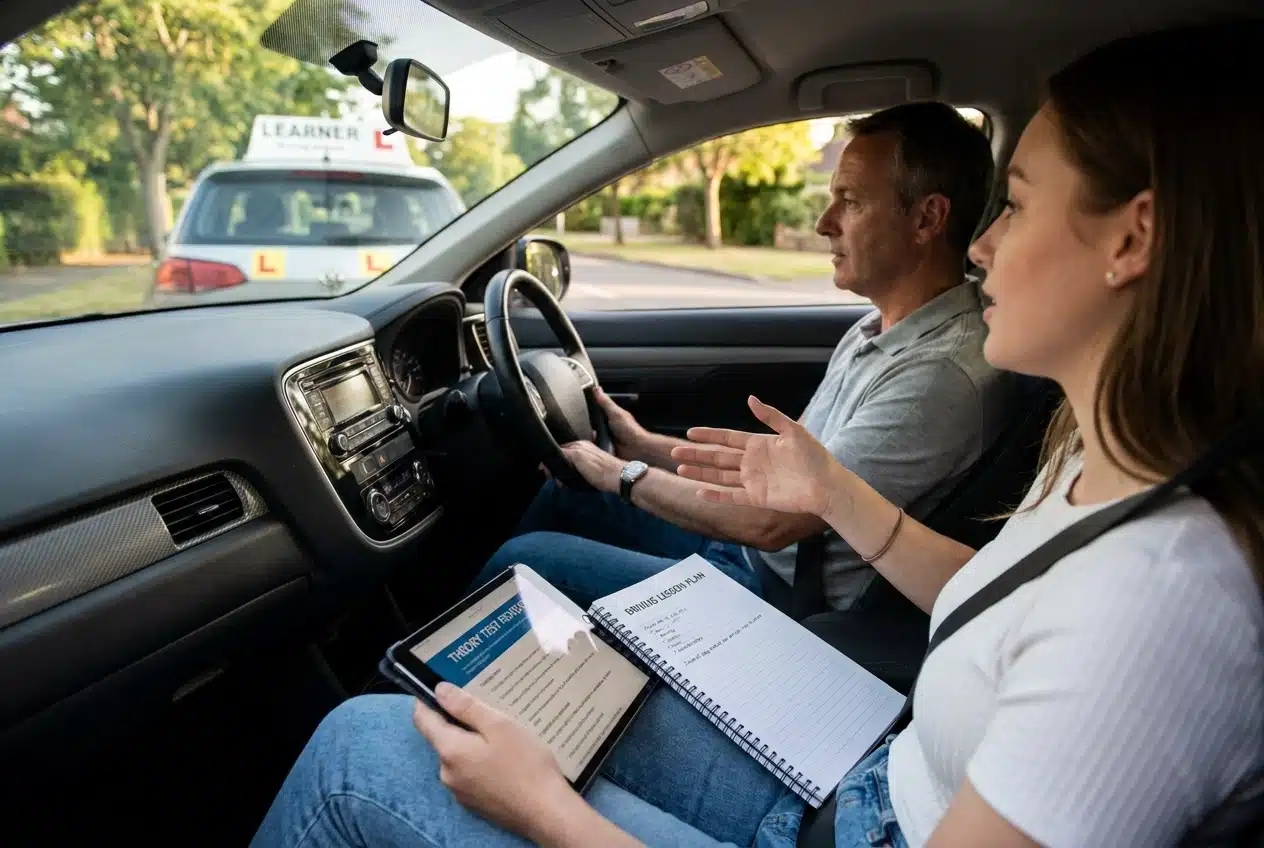
A workable beginner rhythm is one or two paid lessons a week plus two or three private drives, adjusted as confidence grows. Keep paid hours for new skills, complex junctions and test routes, and reserve private practice for repetition of what your instructor has already taught.
Agree the focus of each private drive with your supervising driver beforehand, so practice follows the lesson plan rather than wandering. Automatic tuition also suits learners who would rather concentrate on observation, planning and hazard perception than clutch and gear work, which often speeds up the hours that matter.
Check how many lessons learners typically need in Bromley before fixing the split, then cost it across the full window.
Step 3: Build a Costed Plan for Three Months Versus Six Months
Now translate that split into money. Twenty paid hours over 13 weeks works out at roughly 1.5 hours a week; over 26 weeks it falls below one hour a week, for the same total spend. See How Much Do Driving Lessons Cost in Bromley and South East London? to benchmark rates.
A longer window lowers weekly outlay, which helps families who cannot fund a concentrated block. Front-loading backfires: drive intensively, wait months to test, then pay for refresher hours.
Compare automatic and manual before committing. Total hours usually matter more than hourly price, so check typical hours for each. Automatic often needs fewer.
Finally, add a contingency of two to four hours for mock tests, and budget separately for the test fee and a possible retake.
Step 4: Plan Driving Test Dates Around the Current Backlog
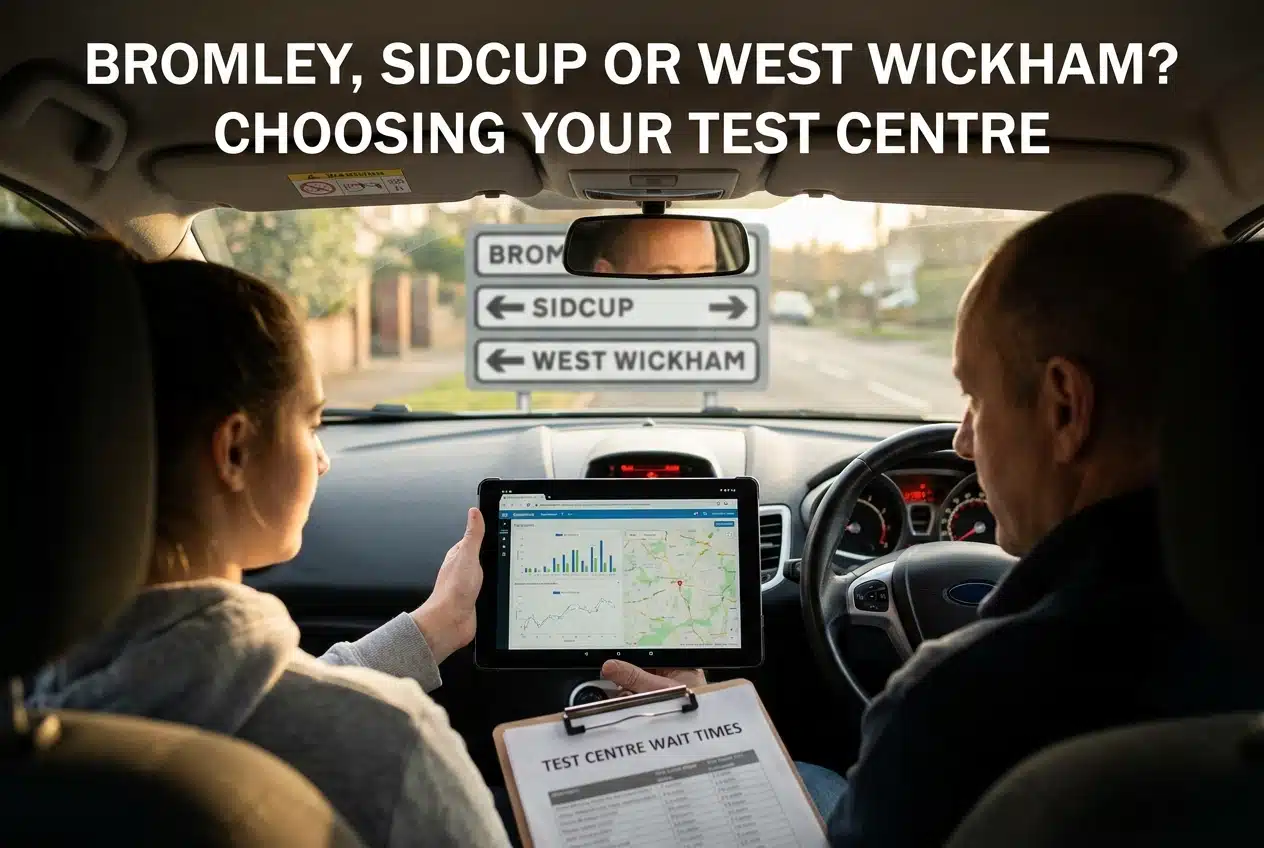
Before you fix a date, accept the real constraint. Practical test waiting times are around six months, with the DVSA backlog expected to run until late 2027. Booking capacity is therefore the binding constraint right now.
Monitor the DVSA booking service for cancellations, but do not take an earlier driving test date you are not ready for. A fail costs more than a wait. Around half of learners pass first time, yet our breakdown of driving test centre pass rates shows why readiness matters more than speed.
Check that your theory certificate will still be valid on your practical test date. If it expires first, you must retake theory and rejoin the queue.
Once you hold a date, work back four to six weeks to schedule mock tests, then use the remaining weeks to polish the routes and conditions you find hardest.
Bromley Specifics: BR1 to BR4 Routes, Automatic Versus Manual
From our experience teaching across Bromley, the road mix typically includes 20mph residential zones in BR1 and BR2, the busier A21 and A232 corridors, and narrower lanes out towards Keston and Biggin Hill. Practise each deliberately rather than looping one comfortable route.
Local demand for test slots is high, so secure your booking before you polish. A perfect date matters less than a confirmed one.
Automatic tuition removes clutch control from the equation on Bromley’s hillier side roads, which can shorten the hours needed for junction work. National average hour estimates are based predominantly on manual learners, so read how many automatic driving lessons you need to pass in Bromley for a realistic local picture.
Lessons matched to BR1, BR2, BR3 and BR4 postcodes mean you drive the roads you will actually be tested on, not generic ones. Online lessons then fill the gaps between drives, which matters when a longer window stretches across winter months and fewer daylight hours.
Logging Supervised Practice: What Learners and Supervising Drivers Should Record
Whatever roads you cover, the log is what proves it. Record each drive as though it will be checked.
For each drive, note:
- Date, duration, route and weather, building evidence of the conditions you have covered across a long window.
- Skills practised and what still needs work, agreed jointly at the end of the drive rather than left to memory.
- Night hours, since the proposal’s rationale includes gaining experience in different conditions.
- Difficult junctions or near misses, to bring to your next paid lesson so instructor time targets real gaps.
A shared note or simple app beats a paper diary over six months, and it gives parents a clear view of how their free supervision is reducing paid hours. Review the log monthly, then adjust what the next paid lesson should cover.
What to Do While the Consultation Outcome Is Pending
With your practice log in place, the sensible posture is patience. The minimum learning period is a proposal, not law. Nothing has changed yet, the rules as described in the opening section still apply.
Start driving now. Waiting for legislation that may never arrive, or may arrive in a different form, only delays progress.
Build the longer costed plan regardless. Spread lessons across 13 to 26 weeks as if the rule were live. If it does not come in, you test earlier with a stronger foundation.
Follow GOV.UK for the outcome, and be sceptical of any source claiming the change is confirmed.
Bear in mind the wider road safety strategy also proposes cutting the drink-drive limit for novice drivers and those in the two-year probation period from 80mg to around 20mg per 100ml of blood. Rules around your first years of driving may tighten further. Plan against today’s rules, not tomorrow’s headlines.
Your Next Steps as a Bromley Learner
With the rules as they stand today, here is how to turn that planning into action:
- Pass theory early, then diary the expiry date the day you pass. Work backwards from a realistic practical test date, allowing 13 to 26 weeks for the proposed window.
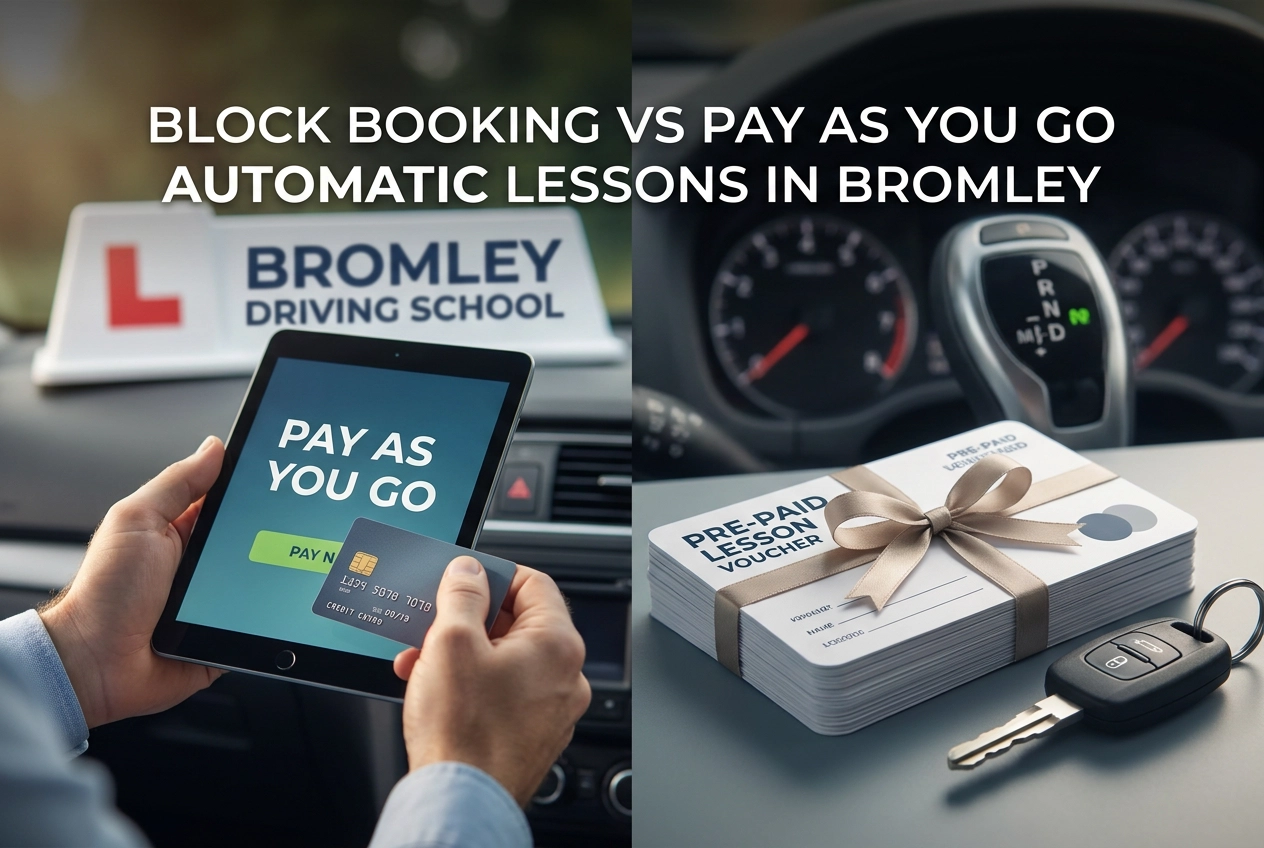
- Spread paid lessons across that window instead of block-booking, and fill the gaps with supervised practice you record.
- Book your practical slot as soon as you are genuinely ready. Waits remain long, see Step 4 for detail.
- Keep your practice log current so private hours visibly count, and revisit the whole plan once the consultation outcome is published.
Conclusion
The minimum learning period is still a proposal, not a rule, so Bromley learners should plan against today’s requirements while preparing for a possible 13 to 26 week window. The plan is simple: pass theory early, spread lessons, log practice, and book when ready. This approach protects your budget, reduces delays, and gives you a stronger foundation whether the law changes or not. Check GOV.UK for updates, avoid sources claiming certainty, and keep your log current. Start today: pass theory, map your lessons, and drive forward with a plan you control.